
A decision by Kentucky State University — an HBCU — to change its final regular-season opponent has sparked controversy in NCAA Division II football. It has also exposed cracks in one of the sport’s once-proud leagues.
Kentucky State (8-2), currently No. 6 in NCAA Super Region Two, was originally scheduled to travel to face Delta State (7-3, ranked No. 7) in a pivotal Week 11 matchup. However, the school has amended its schedule to instead host Shorter University — prompting Delta State’s head coach Todd Cooley to blast the move in an article published by Football Scoop.
“They’re supposed to be coming to Cleveland this weekend to play us, and they’re not. They’re playing Shorter,” Cooley said. “It’s setting a precedent that shouldn’t be set.”
HBCU conference had an agreement in 2023
The decision is not without precedent. In fact, it stems from a formal agreement between the HBCU-based Southern Intercollegiate Athletic Conference (SIAC) and the emerging Conference Carolinas league. The two conferences signed a football scheduling alliance in December 2023 that ensured non-championship-qualifying teams would face off in Week 11 to boost NCAA postseason resumes and avoid long, costly trips.
Per the agreement, participating schools must be above .500, must not exceed 11 regular-season games, and cannot be required to travel more than 500 miles. With other Conference Carolinas options out of range or ineligible, 2-8 Shorter was selected to face Kentucky State.
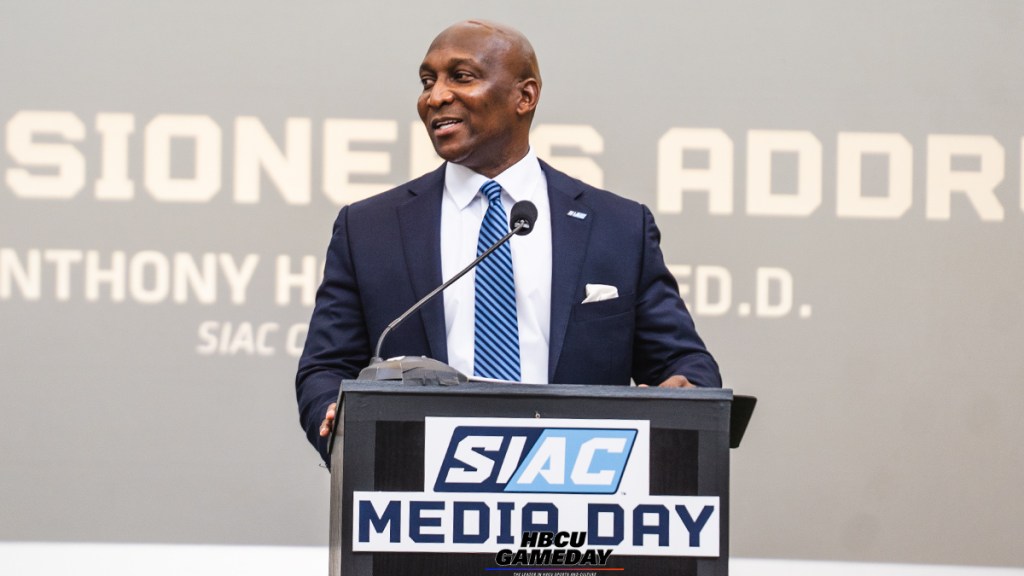
SIAC Commissioner: This was strategic
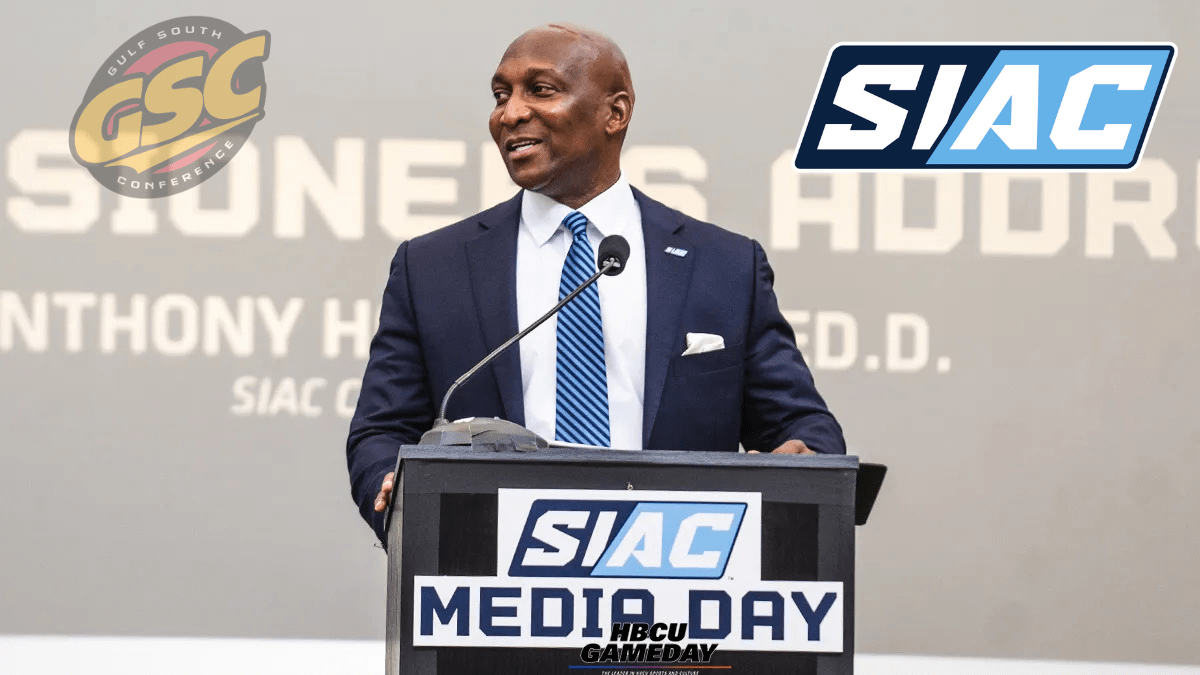
SIAC Commissioner Dr. Anthony Holloman was clear: the decision was about protecting student-athletes and maximizing playoff potential.
“As the commissioner of the SIAC, I am an unapologetic advocate for my member institutions,” Holloman said. “We want to play for championships. And we want to get as many deserving teams in the NCAA playoffs as possible.”
He pushed back on accusations that Kentucky State was dodging competition.
“This wasn’t about playing the worst team,” Holloman added. “We created this partnership to avoid what Kentucky State and Delta State had initially agreed to. Kentucky State would’ve been on the bus for eight hours. This was a strategic decision, not a malicious one.”
Gulf South conference on the ropes
The conflict also shines a light on the Gulf South Conference’s shrinking footprint. Once a powerhouse in D2 football, the GSC has been decimated by realignment and NCAA Division I transitions. It now features only four football-playing members: Delta State, Valdosta State, West Alabama, and West Florida.
With just three conference opponents, Delta State’s path to a strong strength of schedule and quality wins is increasingly narrow — making the canceled Kentucky State game sting even more. Especially after it lost 27-23 to Valdosta State after being up 21-3 on Saturday.
HBCU league continues to innovate
Both Kentucky State and Delta State remain playoff hopefuls. But instead of settling it on the field, committee members will now have to weigh strength of schedule, context, and optics — including whether a contracted matchup could or should have occurred.
One thing is clear: in the ever-shifting world of NCAA D2 football, conference alliances, HBCU strategy, and realignment realities are colliding — and everyone is watching.