
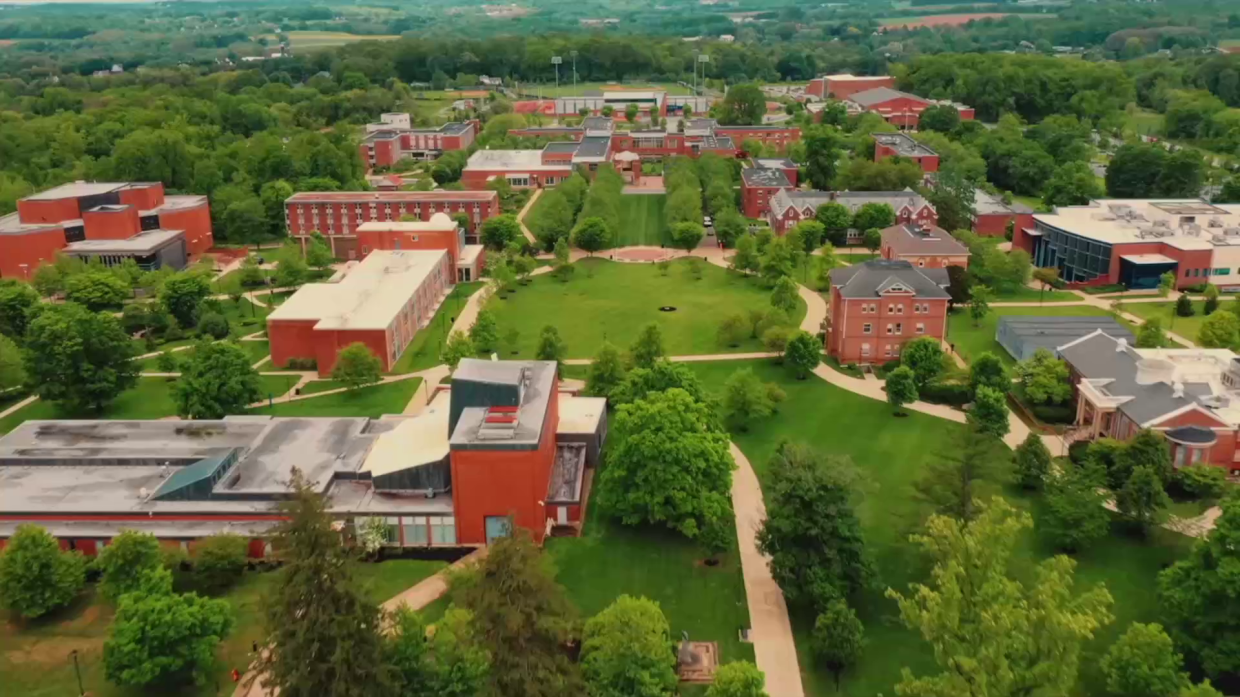
In recent weeks, several tragic events have shaken the HBCU community. In the month of October alone, three people lost their lives to shootings at our campuses—South Carolina State University, Alcorn State University, and most recently, Lincoln University in Pennsylvania. These incidents all took place during homecoming celebrations, moments that are supposed to represent the very best of our culture: joy, unity, and pride.
As a journalist and as a Black man who graduated from an HBCU—Winston-Salem State University—these stories are painful to tell. But they are also necessary. At HBCU Gameday, we celebrate the bands, the rivalries, and the brilliance of Black college life, but when tragedy strikes, we also have a duty to report it. That’s part of our responsibility—to our readers, to our institutions, and to the truth.
Context always matters
When we reported a shooting near Howard University during its homecoming weekend, we were deliberate with our language. From the very beginning, we said “near,” not “at.” But even that care wasn’t enough to stop an avalanche of criticism. People accused us of being misleading, of “chasing clicks,” even of not being part of the community we so faithfully serve. A day later, when another shooting happened at Lincoln University, we reported that too. And somehow, some people still connected the two, assuming the same narrative before reading a single line.
Moreover, the spread of misinformation continued to the point where it was said that the author (me) was not black.
That, to me, says something much larger about where we are—not just in HBCU media, but in media as a whole.
Media Literacy at an all-time low
There was a time when consuming news meant sitting down with a full story. You got the context, the facts, and the framing all at once. Now, we live in an era of headlines, thumbnails, and algorithms. Journalists like me must think not only about accuracy but also about how to reach audiences in a system where attention is the new currency.
The truth is that modern media runs on engagement. People often criticize “clicks,” but that’s literally how digital publishing sustains itself. Those clicks fund the work—the cameras, the travel, the reporting—that allows us to keep telling the stories of HBCU life and culture. It’s not exploitation; it’s economics. Yet, that same system has created an environment where many people react before they read.
And in communities like ours, that reaction is heightened by history. Black Americans have long endured harmful portrayals in mainstream media. So when we see our HBCUs mentioned in connection to violence, there’s an instinct to protect, to push back, to guard the image of something we hold sacred. I understand that deeply. But protection should not mean denial. We can love our institutions and still hold space for the truth. And the truth is evolving. Many people are speculating whether these attacks are subversively coordinated. That’s a theory worth discussing, given the history of this country.
Twenty years an HBCU journalist
As a journalist who’s covered HBCU sports and culture for two decades, I’ve learned that telling the truth is an act of service. Sometimes that truth shines bright; sometimes it exposes pain. But in either case, it matters. The alternative—silence or distortion—creates space for misinformation to grow unchecked. And we’ve seen too much of that already.
This moment isn’t just about one story or one social media thread. It’s about a broader crisis of media literacy. Too many people are scrolling instead of reading, reacting instead of reflecting. Facts have to compete with feelings. And the result is that even honest reporting can be drowned out by noise. So misinformation continues to be spread among people who spend more time reading comments than the actual content.
The HBCU Gameday Mission
At HBCU Gameday, our commitment remains the same: tell the stories that matter, tell them truthfully, and tell them responsibly. That means giving our audience context and care, even when it’s uncomfortable. Because if we don’t report these events accurately, others will report them without understanding.
The truth may not always be pretty, but it’s still the truth.
And even when people refuse to believe it, we have to keep telling it.
That’s our job. That’s our calling. And that’s what we’ll continue to do.
— Steven J. Gaither
Founder & Editorial Director, HBCU Gameday
Winston-Salem State University, Class of 2009