
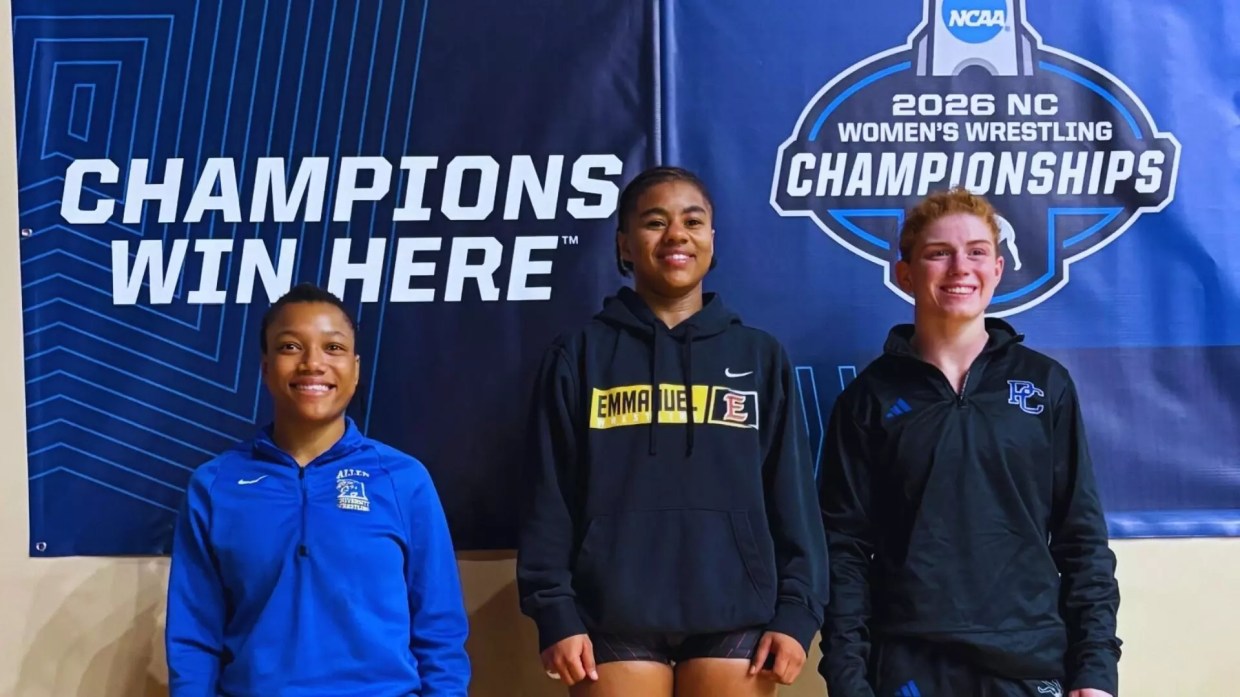
This weekend’s NCAA Super Regionals was was a historic one for HBCU wrestlers.
For the first time in NCAA history, all three divisions of women’s wrestling competed at the same regional event. Division I, Division II, and Division III were all in the same bracket. The field was deeper. The margin for error was smaller. And the pressure was unlike anything this stage of the season has produced before.
Delaware State University and Allen University walked into that environment. Both came out with podium finishes and national qualifying spots.
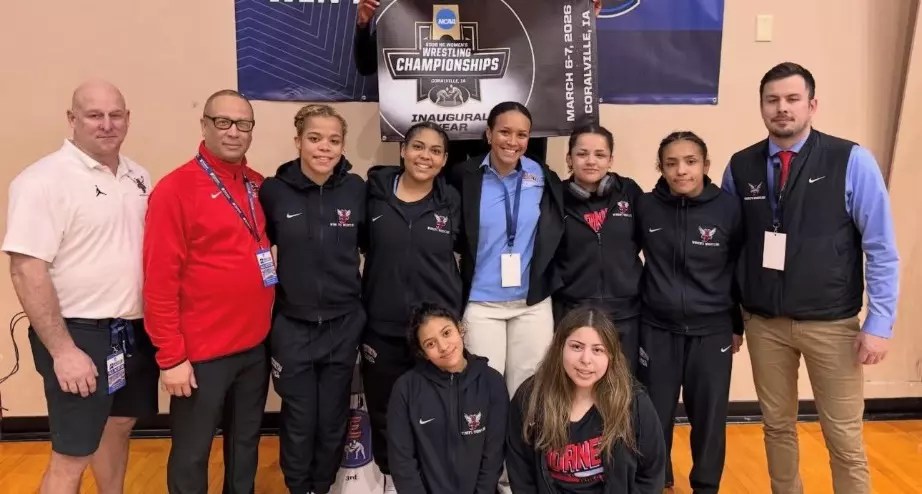
Delaware State leaves its mark
At 117 pounds, Icart Galumette dropped a match early. She responded by wrestling back through the bracket to earn third place and a national qualifying spot. The field included wrestlers from all three divisions. Finishing on the podium in that environment was a strong result by any measure.
At 145 pounds, Louise Juitt reached the championship final. She finished second overall in a bracket that spanned all three divisions. That’s one match away from a regional title in the most competitive field this event has ever seen.
Allen University Earns Podium Finish in Historic Field
At 131 pounds, Isis Severe entered as one of the region’s top-ranked competitors. She backed it up with a third-place finish and a national qualifying spot. Importantly, she did that against a field that included programs from all three NCAA divisions.
For a Division II program still building its national profile, that result carries real weight. Allen University women’s wrestling is no longer a program people overlook in the postseason.
What This Weekend Actually Means
The significance of this Super Regionals goes beyond individual results for these HBCU wrestlers.
Bringing all three divisions together changes the context of every finish. A podium placement is no longer just a divisional result. Instead, it’s a placement against the full landscape of NCAA women’s wrestling.
Delaware State and Allen University both placed in that field. For HBCU women’s wrestling, that means recruiting visibility, program credibility, and national exposure that a typical postseason result doesn’t generate.
The Bigger Picture
HBCU women’s wrestling has been growing steadily for several years. This weekend put that growth on a bigger stage than ever before.
Both Delaware State and Allen University qualified athletes for nationals. Both finished on the podium. And both did it in the first-ever combined divisional regional in NCAA women’s wrestling history.
That’s not a footnote. That’s a result.
Nationals are still ahead. There’s more wrestling left to be done.