
Early momentum for FAMU athletic fundraising
Florida A&M University (FAMU) has found early momentum in its renewed approach to athletic fundraising. FAMU President Marva Johnson appointed Brandi Tatum-Federick as Vice President of University Advancement after she served in the interim capacity. Under her leadership, Tatum-Fedrick understood the need for athletics to have its own fundraising-dedicated personnel and campaigns. To carry out this initiative she hired former FAMU Athletics Associate Athletic Director Marvin Green to the post of Major Gifts Officer for FAMU Athletics and the Marching “100.”
That move by Tatum-Fedrick in itself represented a departure from the way FAMU had conducted the business of athletics fundraising in the past. Previously, the athletic department had made its own efforts to raise funds, but this represented a concerted effort with the full resources of the FAMU Foundation to execute fundraising.
Green, a graduate of FAMU’s School of Business and Industry, joined the department to strengthen philanthropic support for athletics. He completed both the NCAA Leadership Institute for Ethnic Minority Males and the NCAA Sports Management Institute.
That experience, combined with his deep relationships across the FAMU community, paid immediate dividends.
Early wins across athletics
Within months of his appointment, Green secured a $50,000 gift for the Marching “100” from longtime FAMU supporter Sharon Lettman-Hicks. Shortly afterward, he helped generate an additional $50,000 for men’s basketball following the hiring of Charlie Ward as head coach.
“When Coach Ward came on board, we were talking about a former NBA player, a former Heisman Trophy winner, and someone with national credibility,” Green said. “That kind of leadership creates instant momentum.”
At the same time, Bridgette Gordon, a former Olympian, led the women’s basketball program. In Green’s view, FAMU Basketball now had two global ambassadors. Because of that, it became essential to clearly communicate that both programs were positioned to take a major step forward.
Restore the Strike campaign takes shape
Momentum accelerated in December with the hiring of new football coach Quinn Gray. Soon after, the FAMU Foundation launched Restore the Strike, a short-term fundraising campaign embedded within a longer-term strategy.
Phase I carried an ambitious goal: raise $250,000 by January 31, 2026.
The campaign launched on December 23, just days before Christmas. That timing placed it in the most challenging stretch of the giving calendar. Even so, the campaign closed at midnight on January 31, having raised more than $302,000.
The total eclipsed previous athletic fundraising efforts. Many of those earlier campaigns relied on transactional giving models that reduced net revenue through donor incentives.
Greek-letter organizations lead the charge
As a member of Omega Psi Phi, Green understood the untapped potential of Greek-letter organizations that have long supported the university. That insight proved pivotal.
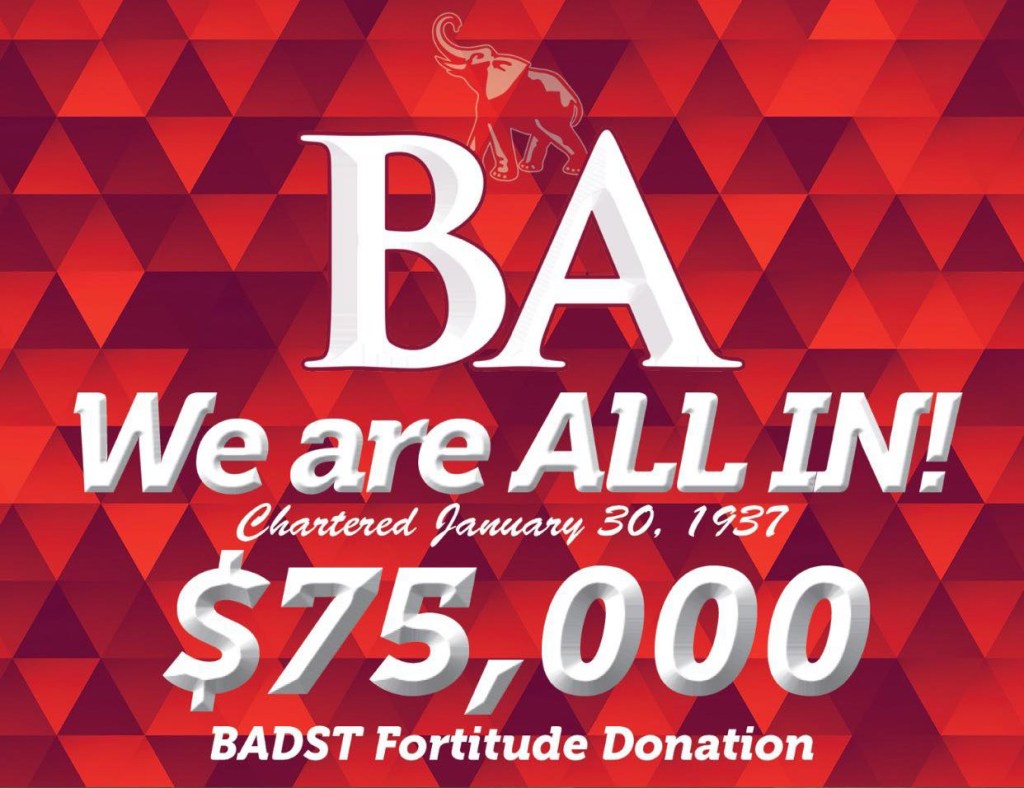
The Alpha Xi Chapter of Kappa Alpha Psi delivered the first major single gift with a $25,000 contribution. As the deadline approached, the Beta Alpha Chapter of Delta Sigma Theta, sealed the campaign with a $75,000 donation.
That final gift pushed Phase I beyond its original goal.
A new vision for FAMU Athletics
New Vice President and Director of Athletics John Davis has outlined a plan to modernize FAMU Athletics. His vision centers on operational evaluation, sustainable systems, and long-term investment.
A former Division I football player and past Secretary of the Florida Lottery, Davis brings a strong track record of organizational leadership. Under his guidance, FAMU continues working to balance competitive excellence with academic support for student-athletes.
Star power amplifies the message
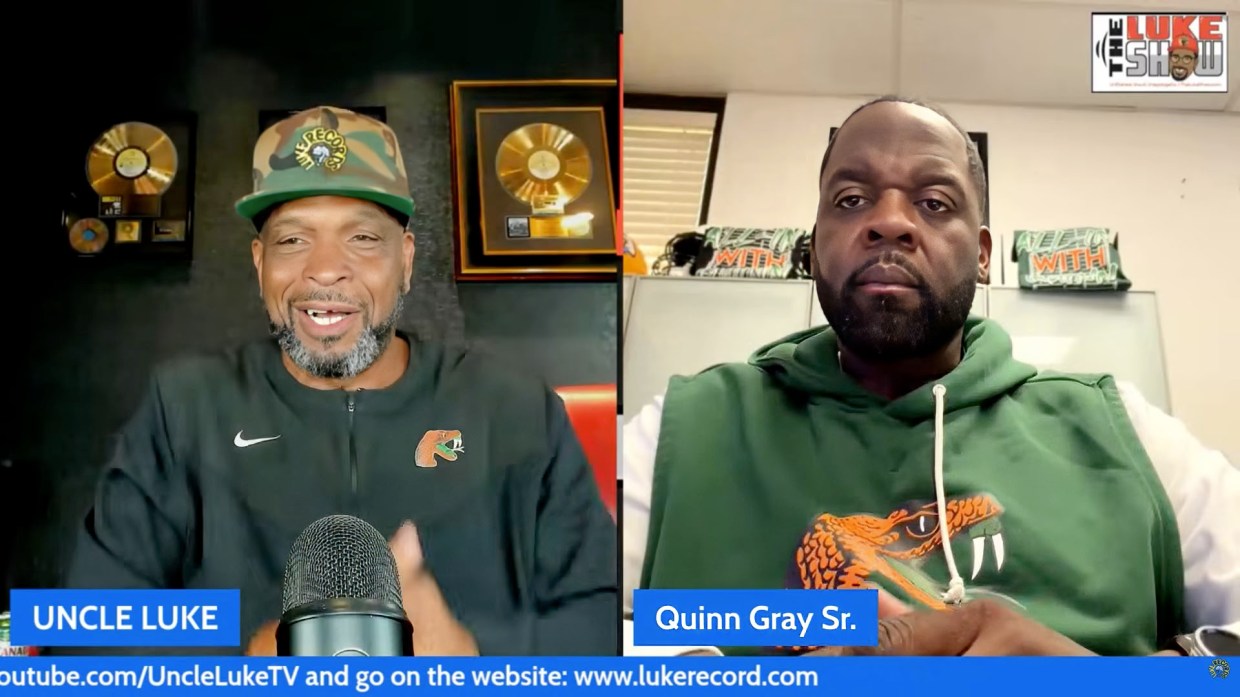
The campaign’s final push gained national attention when Luther “Uncle Luke” Campbell hosted Gray on The Uncle Luke Show. A longtime FAMU supporter, Campbell praised the effort and its broader significance for HBCU athletics.
“Let me be clear,” Campbell said. “My schools are FAMU first, then the University of Miami. What Green is doing for FAMU is unheard of. At this pace, this campaign could bring in half a million dollars for football. That’s major for an HBCU.”
Investing in the student-athlete experience
While HBCUs cannot match the NIL resources of major programs, FAMU’s strategy focuses on enhancing the student-athlete experience. According to Gray, that approach is essential for both recruiting and retention.
“This shows our student-athletes that they are supported,” Gray said. “Phase I is complete, and now we move into Phase II as we work toward $500,000.”
That next phase includes new lights and a tower on the practice field, along with technology upgrades for players.
Looking ahead
After a 5–7 season, FAMU football is seeking a return to the top of the SWAC. Gray’s hiring aligns with a broader trend across HBCU football, where Division II championship coaches have helped restore programs to national relevance.
For Green, the results validate the strategy.
“The goal was to give Coach Gray a meaningful head start,” he said. “We wanted to rally alumni, boosters, and affinity groups around a clear and urgent mission. In just 40 days, Restore the Strike raised more than $300,000. That’s proof of what’s possible when Rattler Nation comes together.”