
Fisk University is preparing for one of the most ambitious expansion projects in HBCU history — including a data center.
The historic Nashville institution announced a sweeping $900 million campus redevelopment initiative Thursday that includes a new data and technology center, upgraded student facilities and major investments across the university’s North Nashville campus.
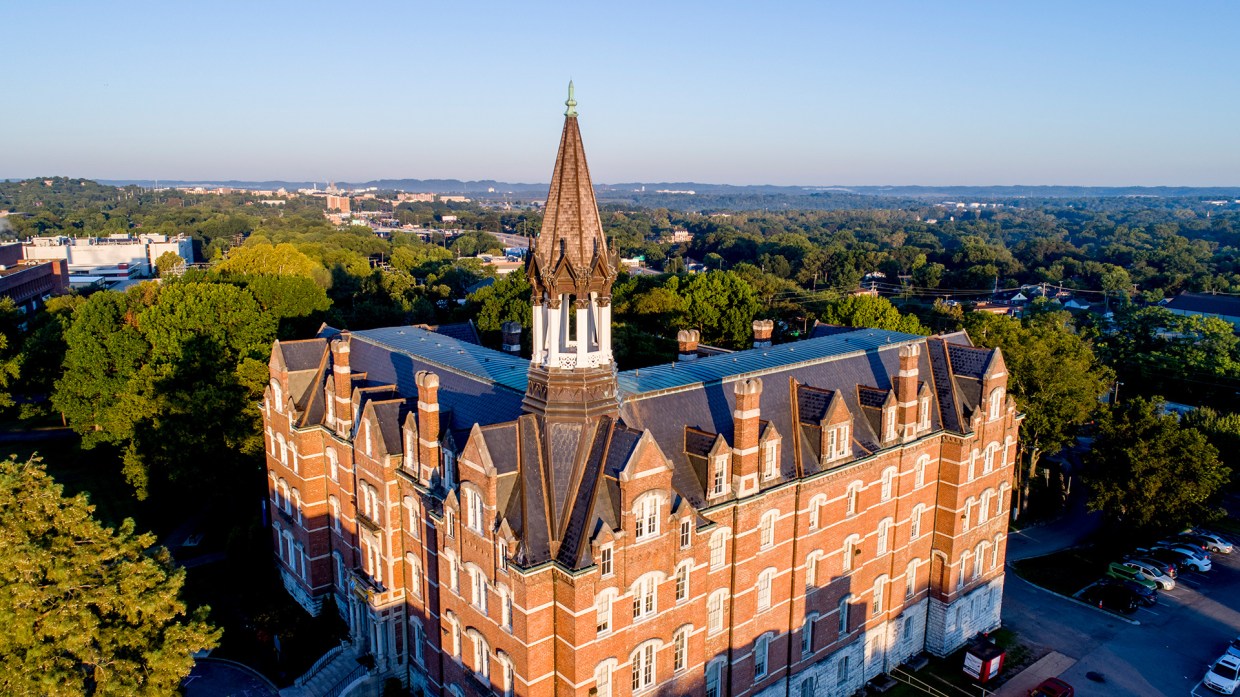
According to reporting from the Nashville Banner, Fisk President Agenia Clark introduced the project — titled “Quantum Leap” — during an event at Jubilee Hall attended by local officials, business leaders, faculty and students.
The plan would dramatically reshape the 160-year-old HBCU, which counts civil rights icons John Lewis and Ida B. Wells among its notable alumni.
Fisk University expansion plan includes arena, student center and data hub
The proposed redevelopment includes several major construction projects and campus renovations, including:
- A 100,000-square-foot data and technology center
- A 120,000-square-foot sports arena
- A 45,000-square-foot student center
- An 80,000-square-foot annex to the Carl Van Vechten Gallery
- An expansion of the John Lewis Center for Social Justice
- Renovations to three residence halls
Clark said Fisk is submitting the proposal to Metro Nashville officials for approval.
“We look forward to being a vibrant partner to the state, to the city, and more importantly to you, as we strive to assure that Fisk’s history is here to stay, but its future is also an integral part of the city’s next decades,” Clark said, according to the Nashville Banner.
Data center raises questions about environmental impact
The announcement comes as communities across the country increasingly scrutinize large-scale data centers tied to artificial intelligence and cloud computing infrastructure.
Residents nationwide have voiced concerns over energy consumption, water usage, noise pollution and strain on local electrical systems. A recent Gallup poll found that more than 70 percent of Americans oppose building AI-related data centers in their communities.
Clark addressed those concerns directly during Thursday’s announcement.
“If, along the way, we had identified instances where a project of this nature would do harm, we wouldn’t be here today,” Clark told reporters, according to the Nashville Banner. “The theme of the project is ‘do no harm.’”
Clark declined to identify any potential technology partner connected to the proposed facility.
Fisk officials say project will prioritize sustainability
Project partner Don Hardin, owner of Don Hardin Group, said the development team has studied data center impacts across the country to avoid negative effects on surrounding neighborhoods.
Hardin said Nashville Electric Service has assured project leaders that existing infrastructure can support the center’s power demands without increasing utility costs for nearby residents.
He also described the planned 30-megawatt facility as relatively modest compared to larger industrial-scale data centers.
“We’re going to do everything we can to make sure we answer questions, make the campus feel comfortable, students feel comfortable and the community feels really good about what we’re doing in terms of noise mitigation, water consumption and energy usage,” Hardin said.
Clark added that the project will use modern environmental standards and technologies designed to protect quality of life in the surrounding 37208 community.
Financing details still emerging
University officials have not yet released complete financing details for the nearly billion-dollar initiative.
Clark said the funding structure will vary across different portions of the project and confirmed fundraising efforts will play a major role.
“Every single piece of this master plan has a different financial model to it,” Clark said. “There will be fundraising. I can assure you that.”
Hardin said construction timelines will depend on available opportunities and funding. The expansion of the John Lewis Center for Social Justice is expected to be among the first projects to begin and could be completed within two years.
He also noted that the proposed data center alone is not expected to generate enough revenue to fund all of the university’s planned projects.
Fisk University positioning itself for the future
Founded in 1866, Fisk University remains one of the nation’s most historically significant HBCUs, known for its academic legacy, civil rights impact and world-renowned Fisk Jubilee Singers.
The “Quantum Leap” proposal signals Fisk’s intention to position itself at the intersection of technology, education and economic development while preserving its historic legacy in North Nashville.
If approved, the project could become one of the largest campus redevelopment efforts ever undertaken by an HBCU.