
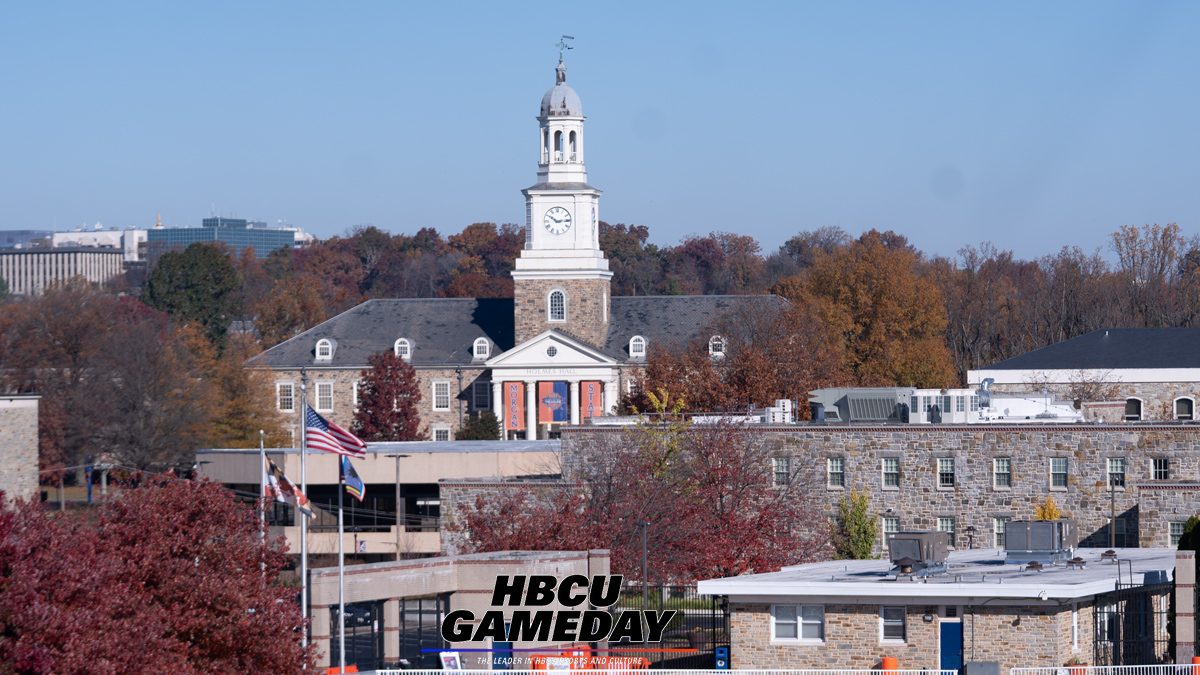
Morgan State University has crossed the 12,000-student mark for the first time while the HBCU continues laying the groundwork for another potentially historic expansion — its own medical school.
The Baltimore university reported 12,119 students for fall 2026, a 5 percent increase from last year. It marks Morgan State University’s sixth consecutive enrollment record and makes the institution the nation’s third-largest HBCU. The growth extends beyond new undergraduate students.
Graduate enrollment increased 7 percent to 2,143 students, while transfer enrollment rose approximately 12 percent. Morgan also reported a 78 percent retention rate and a 10.3 percent increase in Black male enrollment, reaching 3,613 students.
Morgan received more than 30,000 completed applications for the fall semester.
The university also awarded nearly 1,900 degrees during the 2025-26 academic year, the largest annual graduating class in school history.
Morgan State University pursuing public HBCU medical school
That expansion comes as Morgan State University works toward establishing a public, nonprofit medical school.
The university received a two-year, $1.75 million grant from the Robert Wood Johnson Foundation in 2025 to develop a comprehensive plan for an M.D. program operated by Morgan.
If successful, Morgan says the school would become the first public medical school operated by an HBCU in the United States. That distinction is important.
Howard University, Meharry Medical College, Morehouse School of Medicine and Charles R. Drew University already operate medical schools. Xavier University of Louisiana is also preparing to enroll students in a new medical school. Those institutions are private.
Morgan’s proposal would create a public medical school focused in part on addressing physician shortages and improving access to health care in underserved communities.
The university revived that effort after an earlier plan involving an independently operated medical school on Morgan’s campus did not move forward as originally envisioned. Under the new model, Morgan itself would operate the nonprofit M.D. program.
Morgan continued advancing the project in 2026, including identifying a potential location for the proposed school. University President David Wilson also publicly renewed his argument this month that HBCU medical schools can play an important role in addressing national health-care workforce shortages.
Growth creates opportunity — and pressure
The medical-school effort fits into a much larger transformation at MSU.
The university has expanded graduate education, research activity and academic offerings while adding more than 1,300 students over the past two years.
That growth also creates infrastructure questions.
Morgan has already expanded student housing to keep up with demand, and university officials have invested in new health, research and academic facilities.
Now the HBCU is trying to translate record enrollment into something larger.
Crossing 12,000 students represents one milestone. Building the nation’s first public HBCU medical school could become another.