
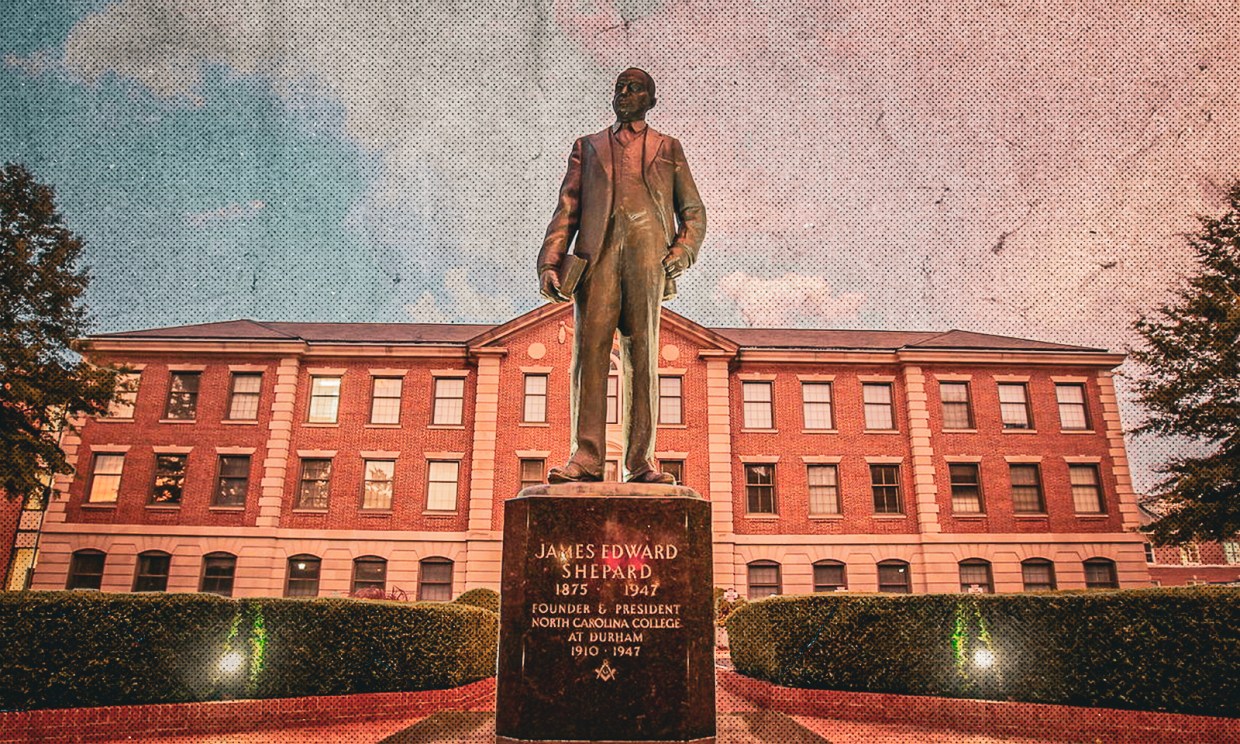
North Carolina Central University will receive more than $110.3 million for operations, enrollment growth, academic programs, campus improvements, and athletics.
North Carolina Central University has crossed 9,000 students for the first time. Now the state is putting more than $110 million behind the HBCU’s next stage of growth.
NCCU will receive more than $110.3 million through North Carolina’s newly enacted state budget. The package includes money for university operations, enrollment growth, scholarships, research, and academic programs.
It also includes more than $6 million for improvements to the Edmonds Classroom Building and a new stream of athletics funding tied to North Carolina sports betting revenue.
The investment arrives as NCCU attempts to turn recent momentum into long-term infrastructure.
The university has reached the highest enrollment in its 116-year history, launched what it describes as the nation’s first artificial intelligence institute at an HBCU, and expanded its academic offerings in healthcare, counseling, and formulation science.
Now NCCU has a state budget designed to support that growth.
“This investment is about opportunity, impact and the future of North Carolina Central University,” NCCU Chancellor Karrie G. Dixon said in a university release. “We are grateful to the North Carolina General Assembly for their support and committed to being good stewards of these resources as we continue bringing our Vision 2030: Soaring to New Heights strategic plan to life.”
HBCU receives more than $110 million in state funding
The largest piece of the NCCU package is $98.6 million in recurring base funding.
That money supports the university’s core operations and is different from a one-time grant for a single building or program. Recurring funding becomes part of NCCU’s ongoing financial base, providing the university with greater stability when planning for faculty, staff, and student services.
The budget also includes:
- $7.3 million in enrollment funding to support NCCU’s growing student population.
- $3.3 million in recurring program-specific funding through the UNC System.
- $900,000 in recurring funding for the Cheatham-White Scholars Program.
- $300,000 in North Carolina Collaboratory funding administered through UNC-Chapel Hill.
Taken together, those allocations give NCCU resources to address both sides of growth.
More students can produce more tuition revenue and expand a university’s reach. They also require additional faculty, classrooms, housing, advising, financial aid administration, and support services.
NCCU is no longer simply projecting that growth. The HBCU has already surpassed 9,000 students. The new funding gives the university additional capacity to serve them.
More than $6 million will support campus improvements
Some of the state investment will be visible on campus.
The budget includes more than $6 million for improvements to the Edmonds Classroom Building. NCCU will also receive support for other campus facilities and expanded health-related academic programs.
Those programs are expected to help prepare more graduates for careers in North Carolina’s healthcare workforce.
That workforce connection is an important part of the state’s investment. NCCU reported the highest NCLEX passage rate among HBCU nursing programs in North Carolina and has continued adding programs built around growing industries.
The university recently introduced a doctoral program in counseling and a bachelor’s degree program in formulations and packaging science. It has also expanded into artificial intelligence through its new institute.
For NCCU, the $110.3 million package is not tied to a single construction project or a single moment. It reaches across the university.
Sports betting money creates another lane for NCCU athletics
The athletics portion is only one piece of the overall package, but it could have an outsized impact.
North Carolina’s budget raises the tax rate on mobile sports wagering operators from 18 percent to 23 percent. It also changes the formula used to distribute a portion of that revenue to public university athletic departments.
NCCU remains guaranteed a minimum annual appropriation of $300,000 from sports betting tax revenue.
The university can also qualify for additional distributions through the new Class I and Class II funding pools.
Class I funding applies to public universities whose teams compete in Division I. That distribution is capped at $400,000 per institution.
Class II funding is available to qualifying Division I and Division II public universities and is capped at $2.9 million per institution.
Those figures represent ceilings, not guaranteed payments. The actual amount NCCU receives will depend on available sports betting tax revenue and how that money is distributed among eligible universities.
Still, the structure gives NCCU athletics access to substantially more than its protected $300,000 base.
As HBCU Gameday previously reported, that money can support travel, equipment, nutrition, athletic training, scholarships, staffing, and facility needs. It can also reduce some of the financial pressure athletic departments place on university budgets and mandatory student fees.
For a Power Four athletic department, a few hundred thousand dollars might disappear inside a nine-figure budget.
At an HBCU operating with fewer resources, it can fund an entire priority.
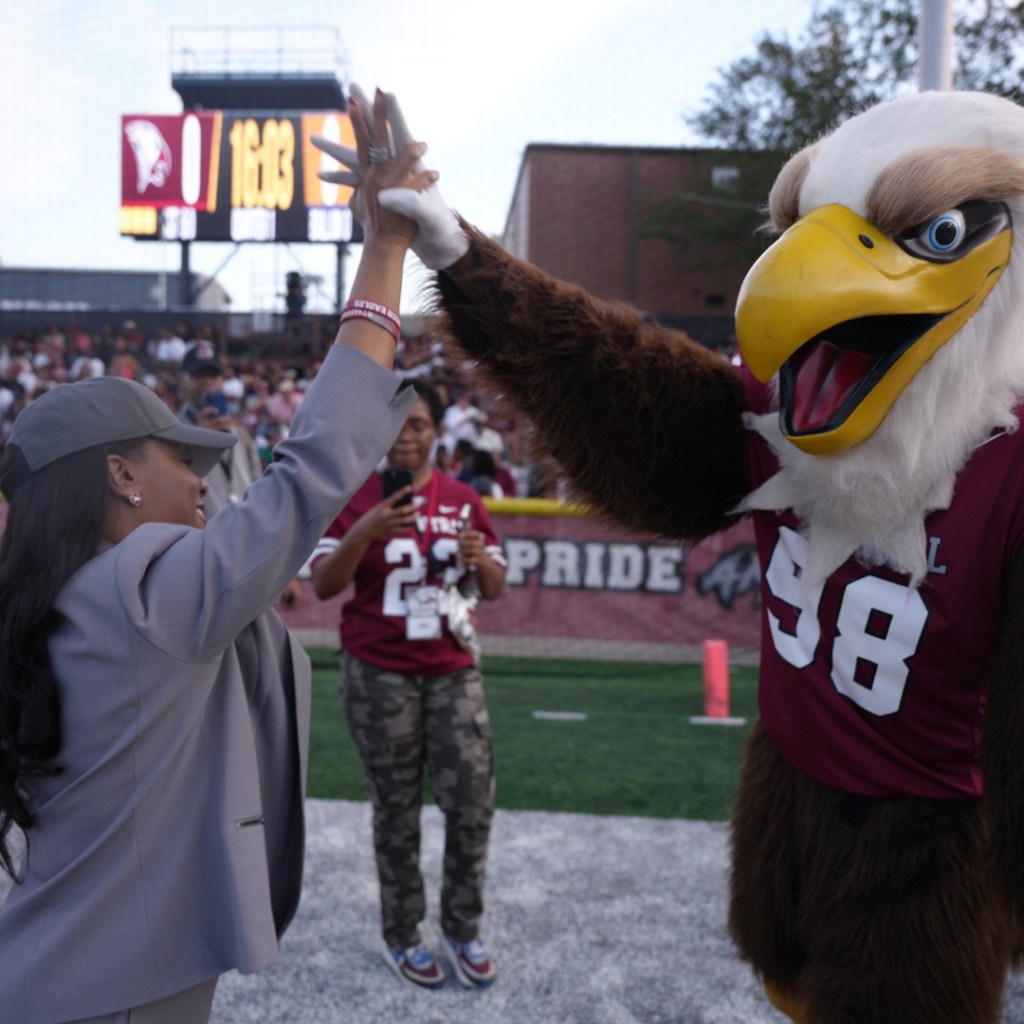
NCCU’s $300,000 athletics floor survived the overhaul
The new formula brings UNC and NC State into the sports betting distribution system for the first time. Beginning in 2027, Football Bowl Subdivision programs will also have access to a separate Class III funding pool.
That expansion raised an important question for North Carolina’s public HBCUs: Would adding the state’s largest athletic departments dilute the money intended for smaller programs?
The enacted budget provides at least one clear protection.
NCCU, North Carolina A&T, Elizabeth City State, Fayetteville State, and Winston-Salem State retain their original $300,000 annual appropriations.
NCCU and North Carolina A&T can also pursue Class I and Class II distributions as Division I institutions. The three Division II HBCUs are eligible for Class II money.
The higher 23 percent tax rate is designed to increase the overall revenue available as the state adds more schools to the distribution formula.
According to WRAL, legal sports betting generated more than $142.8 million in state tax revenue during the previous fiscal year under the former 18 percent rate. North Carolina bettors have wagered more than $15 billion through legal operators since mobile sports betting launched in March 2024.
That makes the new formula more than a theoretical exercise. Sports betting has already become a significant source of state revenue.
Now, part of that money will move directly into the annual planning of NCCU athletics.
The state investment meets NCCU at a pivotal moment
North Carolina’s $34 billion budget was signed into law by Gov. Josh Stein on July 7, moving the NCCU funding from a proposal to an enacted state investment.
For the university, the timing matters.
NCCU is growing. Its academic profile is expanding. Its athletics department is competing in an increasingly expensive Division I environment. Its campus must accommodate more students without allowing that growth to erode the experience those students receive.
The new budget does not solve every challenge facing NCCU. But it gives the HBCU more than $110 million worth of tools to address them.
Most of the attention will naturally land on the size of the number.
The more important story may be its reach.
From classrooms and laboratories to scholarships, faculty support, and the athletic department, North Carolina’s investment will touch nearly every part of the NCCU campus.
The Eagles have built momentum.
Now they have state money behind it.
That Statue of Dr Shepard who started NCC, is a Shaw University Graduate.