
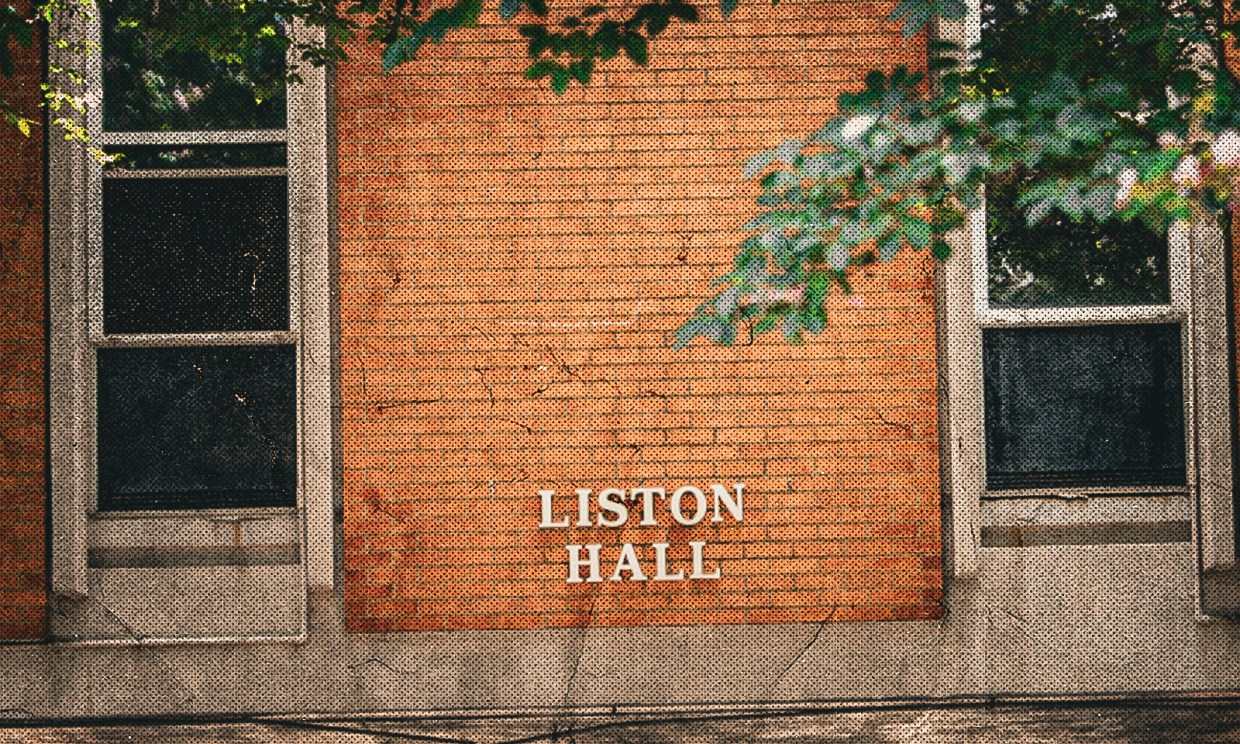
For 64 years, Liston Hall stood on the campus of Johnson C. Smith University (JCSU). On Wednesday, July 29, 2026, the walls of an HBCU landmark in Charlotte, NC, began coming down.
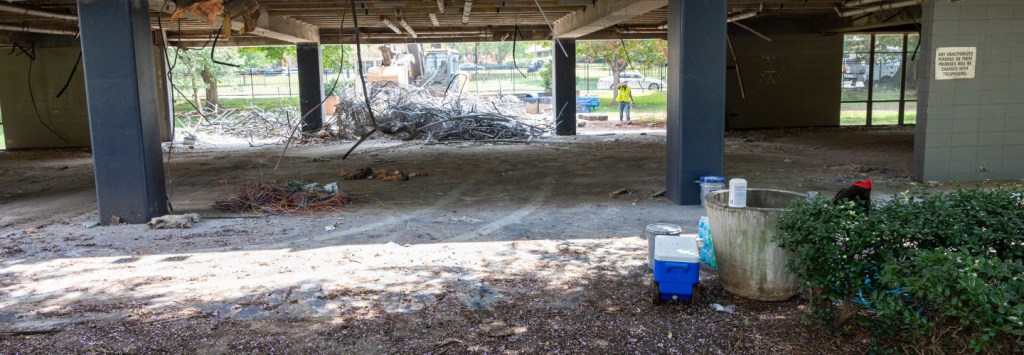
JCSU officially started demolishing the historic residence hall on July 29. The HBCU described the moment as both the end of an era and another step toward its “New Era of Excellence.”
That makes the demolition more than a campus construction update.
At HBCUs, buildings often carry a meaning that extends well beyond brick and concrete. They hold stories about who was allowed to attend college, where Black students found community, and how small institutions built lasting legacies with limited resources.
However, history cannot protect a building from the effects of age. It also cannot relieve the pressure on HBCUs to compete for the next generation of students.
Liston Hall now sits at the intersection of those two realities.
Liston Hall helped define a period of growth
The residence hall opened in 1962 during a major expansion period at Johnson C. Smith.
JCSU’s official history shows that the university added seven buildings between 1955 and 1968. The construction boom included Liston Hall, Brayboy Gymnasium, Duke Memorial Library, and the University Memorial Union.
In other words, Liston was not simply another dorm. It was part of an earlier vision for JCSU’s future.
The university built the residence hall with support from The Duke Endowment. It was named in memory of Dr. Hardy Liston, who served as JCSU president from 1947 until his death in 1956.
Liston Hall initially housed women before later becoming a men’s residence hall. At its largest capacity, the 35,000-square-foot building accommodated 148 students.
Yet its importance could not be measured by capacity alone.
Dormitories create a culture within the culture of an HBCU campus. They are where students learn the personalities, traditions, and unwritten rules of college life. Long after graduation, alumni may forget a classroom number. They rarely forget the people who lived across the hall.
JCSU alumni remember the Liston experience
In its announcement of the demolition, JCSU alums shared the personal memories of alumni who experienced Liston Hall during different periods.
Wanda Foy Burroughs, a 1973 graduate and JCSU’s director of alumni relations, lived in Liston for two years. She remembered study sessions, late-night conversations, and the friendships she formed with other young women.
“I matured during my Liston years,” Burroughs told the university. “I became a woman there, surrounded by sisters.”
Calvin Banks remembered another side of the Liston Hall experience.
The 1969 graduate recalled male students entering the lobby and telling the dormitory directress which young woman they had come to see. The visitor then waited as the resident was paged.
She might come downstairs. She might send a roommate with an excuse.
When she finally appeared, Banks said, “all is right in the world.”
Those details are small, but that is what makes them meaningful.
The lasting memories of a residence hall are rarely about its design. They are about who lived there, who waited in the lobby, and who stayed up talking when they should have been studying.
Those stories will remain even after the building is gone.
An HBCU must preserve history and compete for the future
The demolition also points to a larger challenge facing HBCUs.
These institutions carry some of the most important history in American higher education. Their campuses include buildings, traditions, and gathering places that tell stories rarely preserved anywhere else.
Still, an HBCU cannot survive on history alone.
Today’s students compare residence halls, technology, academic facilities, and the overall campus experience before choosing a college. Institutions must also consider accessibility, maintenance costs, safety, and how older buildings fit into long-term development plans.
For smaller private HBCUs, every piece of campus property matters.
That is especially true at Johnson C. Smith, which sits just west of Uptown Charlotte. The HBCU occupies valuable ground in a Historic West End community that continues to experience development and change.
Charlotte has grown around JCSU. Now the university must determine how to grow within Charlotte without losing the history that makes its campus distinct.
Liston Hall captures that tension.
Its demolition removes a building filled with memories. At the same time, keeping an outdated facility simply because it is old would not automatically preserve the experiences that made it important.
Sometimes honoring a building means documenting its story, listening to the people who lived there, and then allowing the institution to move forward.
What comes after Liston Hall?
JCSU has not announced exactly what will replace the residence hall.
The university said clearing the site will make way for future campus improvements. Those plans will focus on spaces designed to improve student life, strengthen community, and support academic success.
That leaves the most important part of the story unfinished.
A demolition can signal progress, but the building that follows will show what JCSU believes its next era should look like.
Liston Hall itself once answered that question. In 1962, it represented investment, growth, and a more modern student experience.
Now JCSU is preparing to answer it again.
The university plans to preserve photographs and video of the demolition. Alumni will preserve the rest through stories about roommates, friendships, lobby visits, and the years when Liston was home.
The building is coming down. Its place in Johnson C. Smith’s history is not.
For an HBCU growing inside one of the South’s biggest cities, that may be the balance required to move forward: preserve the story, clear the space, and make the next chapter worthy of the one that came before it.