
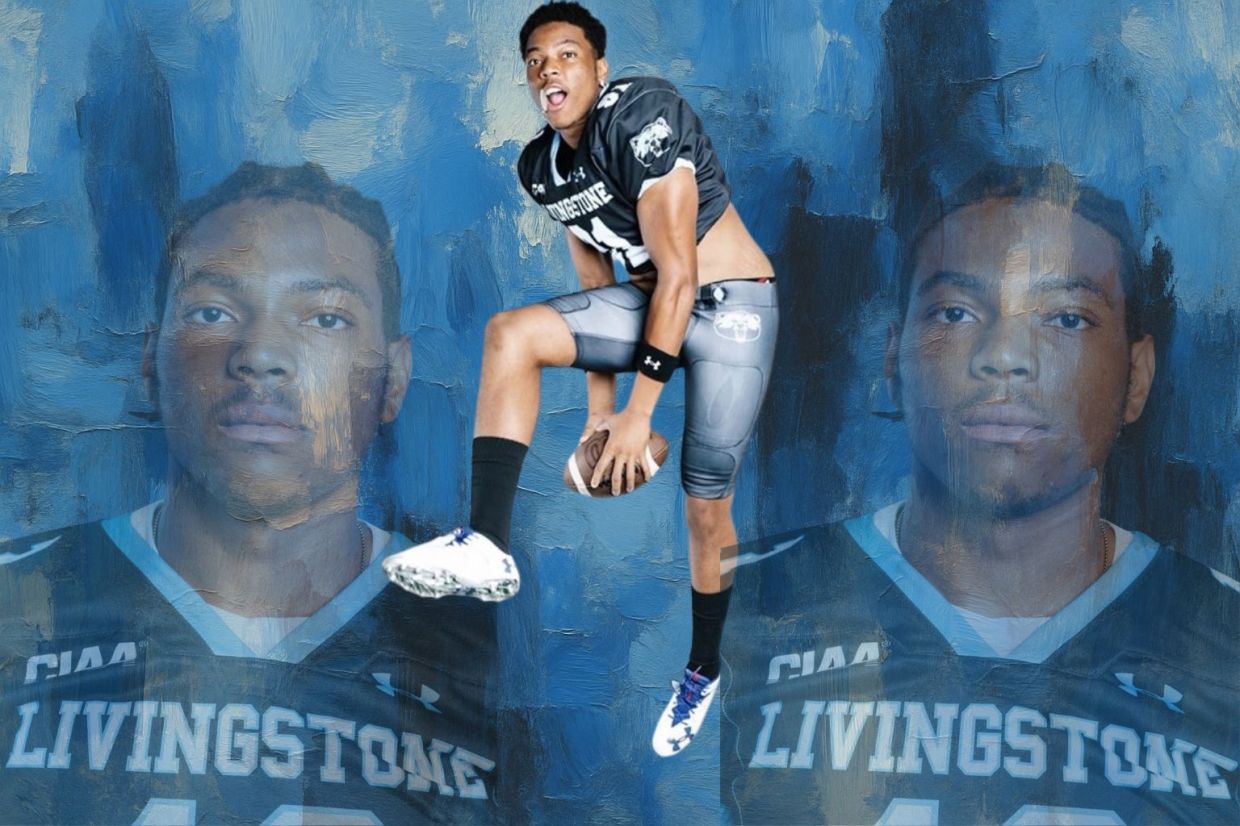
Kenyon Garner, a 6-foot-4, 230-pound edge rusher is a highly coveted prospect out of Livingstone College. He entered the transfer portal following the Salisbury, NC-based HBCU program’s season-ending loss to Johnson C. Smith.
Garner is visiting Texas Tech this weekend and has also lined up visits to Texas A&M, Boston College and Florida State, according to his agency.
In 10 games, recorded 54 tackles, 27.0 tackles for loss, 14.0 sacks, one safety, and three forced fumbles. He will have two seasons of eligibility at his next stop, which should only make him more valuable in the transfer portal.
Garner is a Tallahassee, FL native, but found his way to Livingstone prior to the 2024 season. He played in four games as a freshman before having his breakout season this year.

He is one of several players from the CIAA, a D2 league made up of HBCU programs from Pennsylvania to South Carolina, that is drawing SEC and ACC-level interest. This has become a trend in the conference as last season’s champion Virginia Union had players end up at West Virginia and Wake Forest, among other places.
While that’s greater for players like Garner and the SEC and ACC schools, it leaves smaller schools — particularly Division II HBCUs in a consistent talent drain.
So how do HBCU programs remain relevant in this new era where they are out-gunned financially by the SEC, ACC and even FCS? That’s something that CIAA Commissioner Jacqie McWilliams-Parker and the conference leadership talk about often.
“I mean, we want to be competitive. I mean, we know that we’re not on an equal playing ground, period. Never have been. We were until some of the bigger schools were able to have bigger offerings to attract our students to go to their institutions. It’s just a different time, different day that’s happening.”