
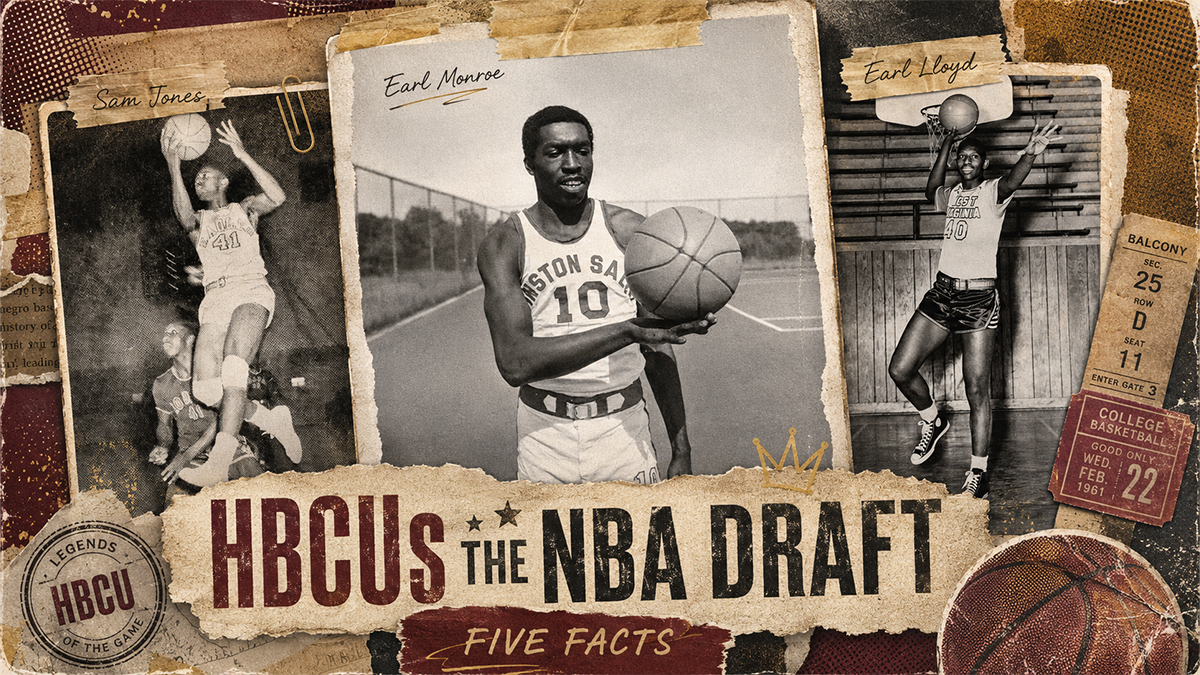
The NBA Draft has a deep connection to HBCUs, even if recent history has made that connection easier to overlook.
As the 2026 NBA Draft arrives, HBCU basketball fans once again have reason to watch closely. Tennessee State standout Aaron Nkrumah is one of the names connected to this year’s draft cycle. If selected, he would end a long drought for HBCUs.
That possibility makes this a good time to revisit the history. HBCUs have produced NBA champions, Hall of Famers, first-round picks and barrier breakers. The draft record shows that Black college basketball once had a major place in the NBA pipeline.
Here are five facts to know about HBCUs and the NBA Draft.
1. Earl Lloyd was the first HBCU player drafted
West Virginia State’s Earl Lloyd became the first HBCU player selected in the NBA Draft in 1950. He was taken by the Washington Capitols in the ninth round.
Lloyd’s story goes beyond draft history. Later that year, he became the first African-American player to appear in an NBA game. That made an HBCU product one of the most important figures in the integration of professional basketball.
2. Earl Monroe remains the highest HBCU draft pick ever
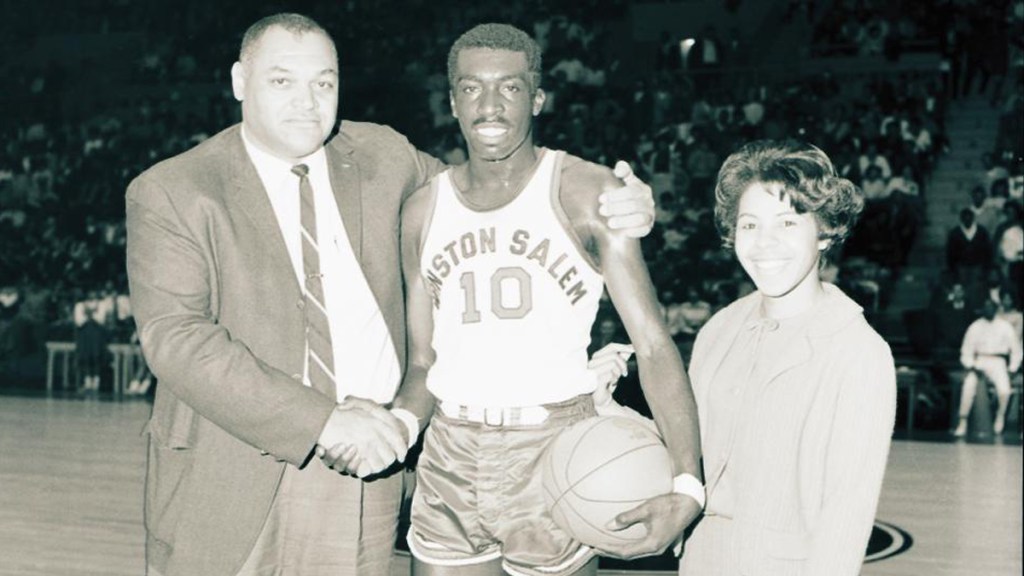
Winston-Salem State legend Earl “The Pearl” Monroe still owns the top spot among HBCU NBA Draft picks.
Monroe was selected No. 2 overall by the Baltimore Bullets in 1967. No HBCU player has gone higher since.
That pick came after Monroe became a college basketball icon at WSSU. He averaged 41.5 points per game as a senior and led the Rams to the 1967 NCAA College Division national championship.
3. Only 21 HBCU players have gone in the first round
The NBA Draft has included hundreds of HBCU players, but only 21 have been first-round picks.
The list includes major names such as Sam Jones, Dick Barnett, Zelmo Beaty, Purvis Short, Charles Oakley, Lindsey Hunter and Carlos Rogers.
North Carolina Central’s Sam Jones was the first HBCU first-round pick. He was selected No. 8 overall by the Boston Celtics in 1957. Tennessee State’s Carlos Rogers is the most recent HBCU first-rounder. He went No. 11 overall to the Seattle SuperSonics in 1994.
4. Tennessee State and Jackson State lead the way
Tennessee State and Jackson State sit at the top of the HBCU NBA Draft list.
Both programs have produced 23 draft picks, according to NCAA records. Grambling State is close behind with 22 selections.
That history says a lot about the strength of HBCU basketball in past generations. Schools such as North Carolina A&T, Winston-Salem State, Southern, Norfolk State, Alabama State, Kentucky State and Alcorn State also produced long draft histories.
5. The modern drought is real
Norfolk State’s Kyle O’Quinn is the most recent HBCU player selected in the NBA Draft. The Orlando Magic picked him in the second round in 2012.
That means more than a decade has passed without an HBCU player hearing his name called on draft night.
The draft has also changed. Since it moved to two rounds in 1989, fewer HBCU players have had room to be selected. Many now have to chase the NBA through Summer League, training camp deals, two-way contracts, the G League or overseas opportunities.
That is why the 2026 NBA Draft matters for HBCUs. It is not just about one player. It is about whether the next chapter of HBCU basketball history begins on draft night.