
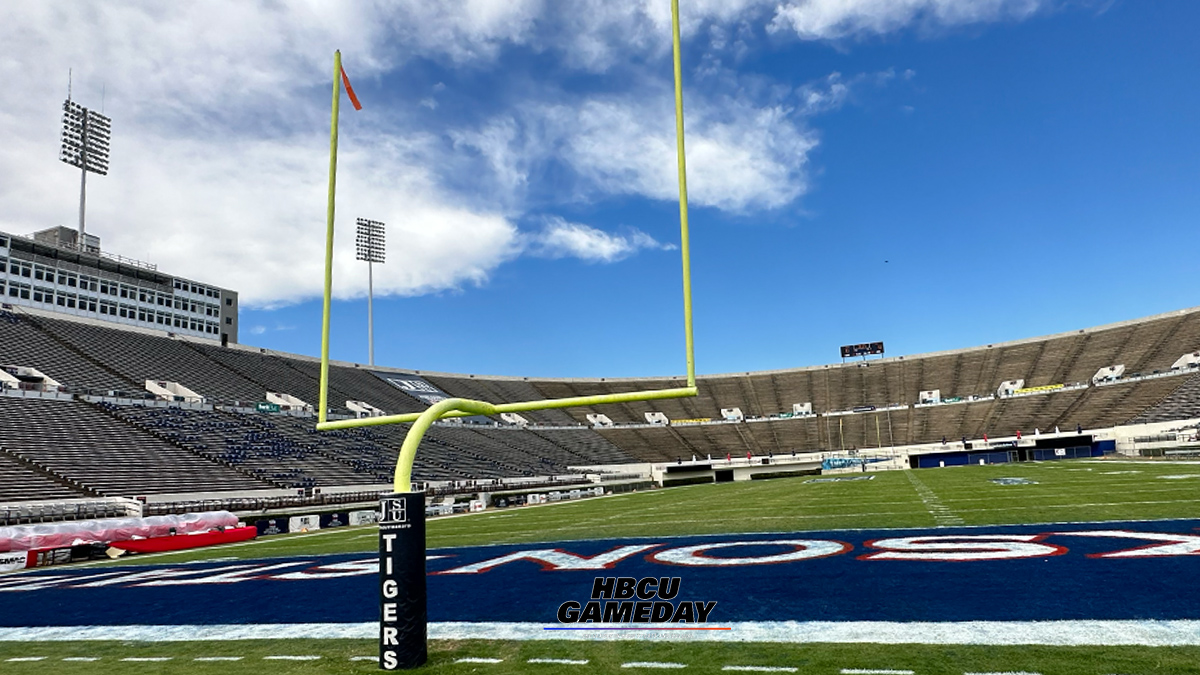
A new ranking of all 128 Football Championship Subdivision stadiums placed nine HBCU football venues among the lower-rated facilities in the country.
The rankings come from stadium-focused YouTube creator GFed. He evaluated FCS stadiums using factors such as size, design, atmosphere, location and overall appearance. The creator has visited nearly 500 stadiums around the world, including approximately half of the venues included in this ranking.
Bethune-Cookman received the lowest position among HBCU football programs, with Daytona Stadium landing at No. 119. The venue was criticized for its unusual configuration following the removal of its track, its concrete seating and its distance from Bethune-Cookman’s campus.
Delaware State’s Alumni Stadium followed at No. 113. Its metal bleachers, open surroundings and relatively basic design drew comparisons to a high school football facility.
Howard University’s William H. Greene Stadium was ranked No. 102. Although the nearby landscape helped its standing, the approximately 7,000-seat stadium’s track and limited structural features prevented it from moving higher.
Rice-Totten Stadium at Mississippi Valley State rounded out the bottom 100 at No. 100. The video acknowledged the venue’s double-decker grandstand and exterior entrance while describing the overall facility as relatively plain. At that point in the ranking, GFed noted that four HBCU stadiums had already appeared outside the top 99.
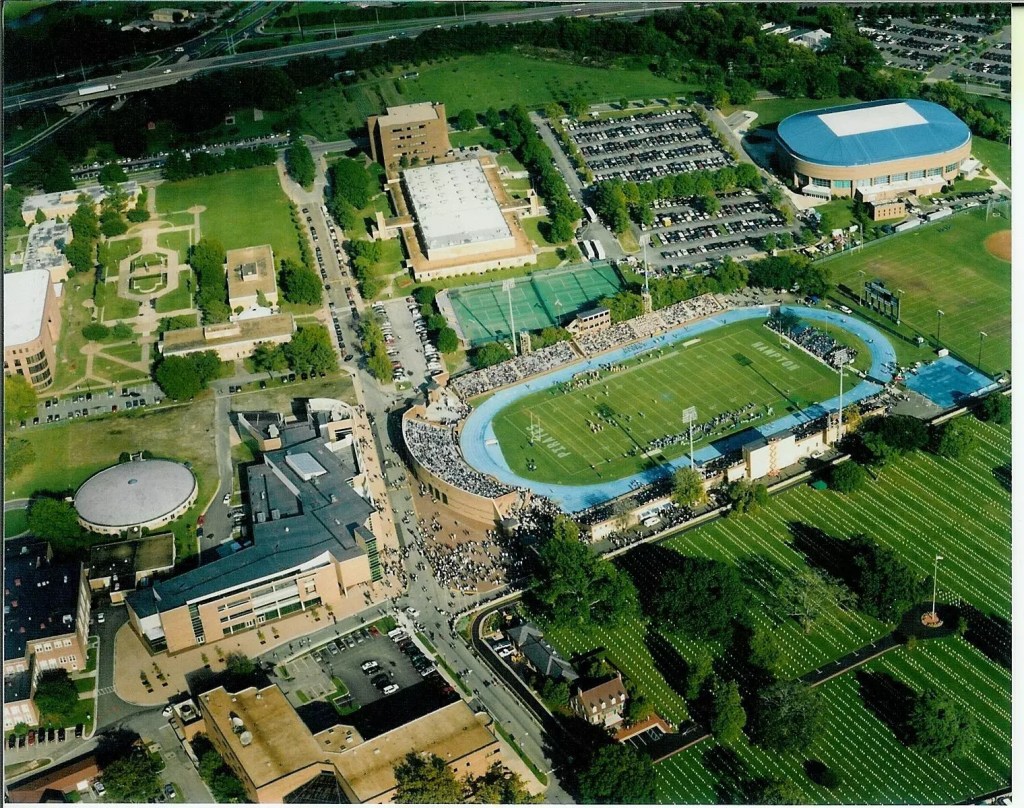
HBCUs at the bottom of top FCS 100 stadiums
Several more prominent HBCU football venues surfaced as the countdown continued.
Hampton University’s Armstrong Stadium placed No. 83. Its large amount of end-zone seating—positioned behind the track—was identified as one of the facility’s biggest drawbacks.
Norfolk State’s William “Dick” Price Stadium came in at No. 82 despite its capacity of approximately 30,000. Its seating layout, track and large gaps between sections were cited as reasons why many seats provide a less-than-ideal view of the field.
South Carolina State’s Oliver C. Dawson Stadium was No. 80. The venue’s distinctive L-shaped seating arrangement and off-center grandstand made it one of the more unusual FCS stadiums discussed.
Florida A&M’s Bragg Memorial Stadium placed No. 78. While Bragg is one of the better-known venues in HBCU football, the ranking characterized its extensive metal seating and surrounding areas as visually plain.
Jackson State’s Mississippi Veterans Memorial Stadium was the highest-ranked HBCU venue in this portion of the list at No. 77. The stadium’s history and Jackson State’s strong attendance worked in its favor, but its 60,000-seat capacity and aging infrastructure were viewed as poor fits for the program’s current needs.
Texas Southern and Tennessee State were not ranked because they are not the primary tenants of their home stadiums.
The list is a subjective assessment rather than an official NCAA evaluation. Still, it adds to the ongoing conversation about investment, renovations and the game-day experience at HBCU and FCS stadiums.
Watch GFed’s complete breakdown in “I Ranked All 128 FCS Stadiums. These Are The WORST.”.