
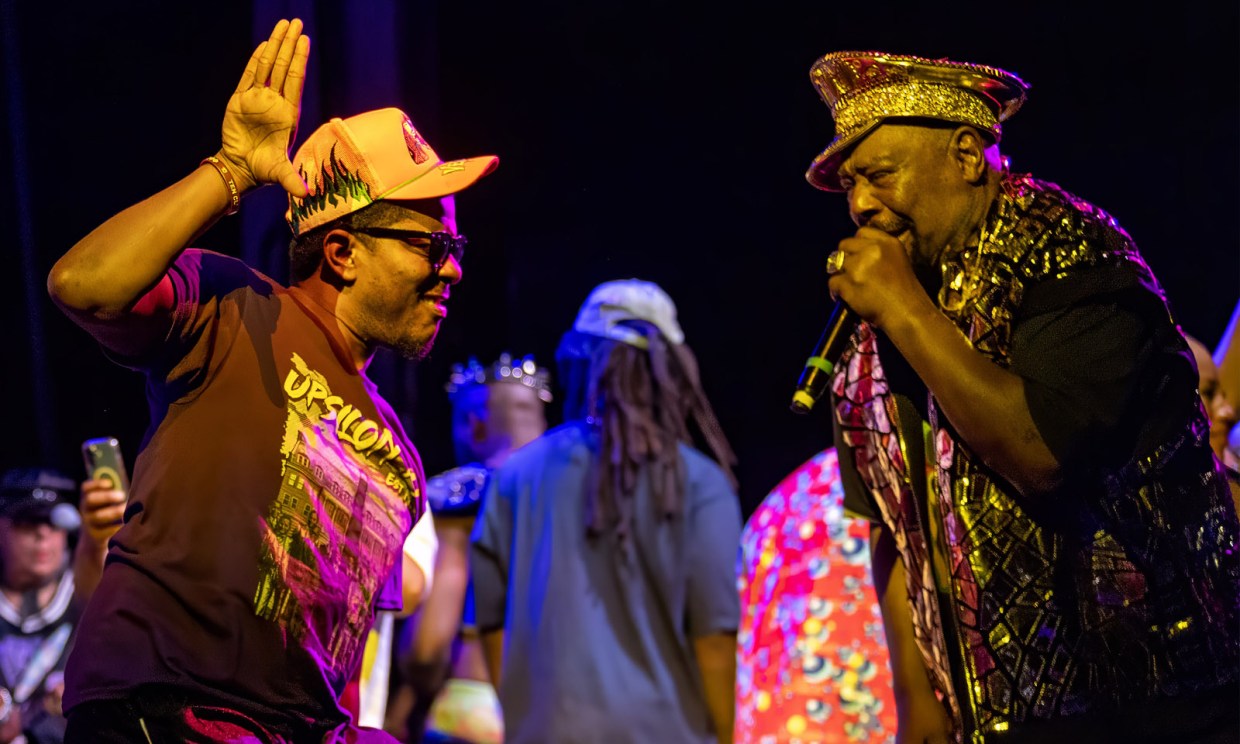
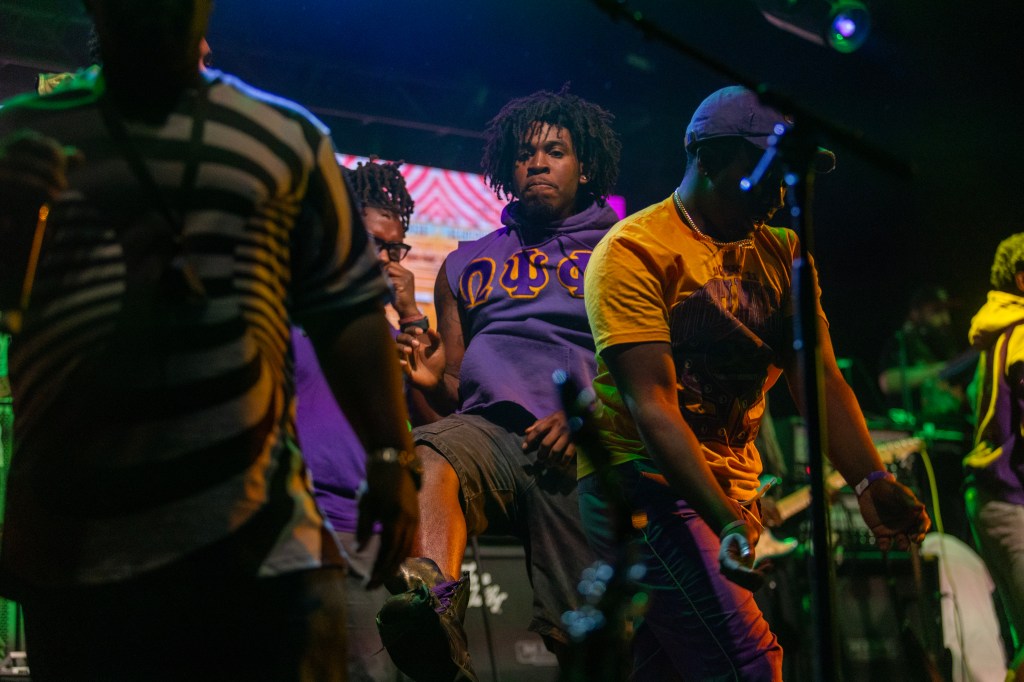
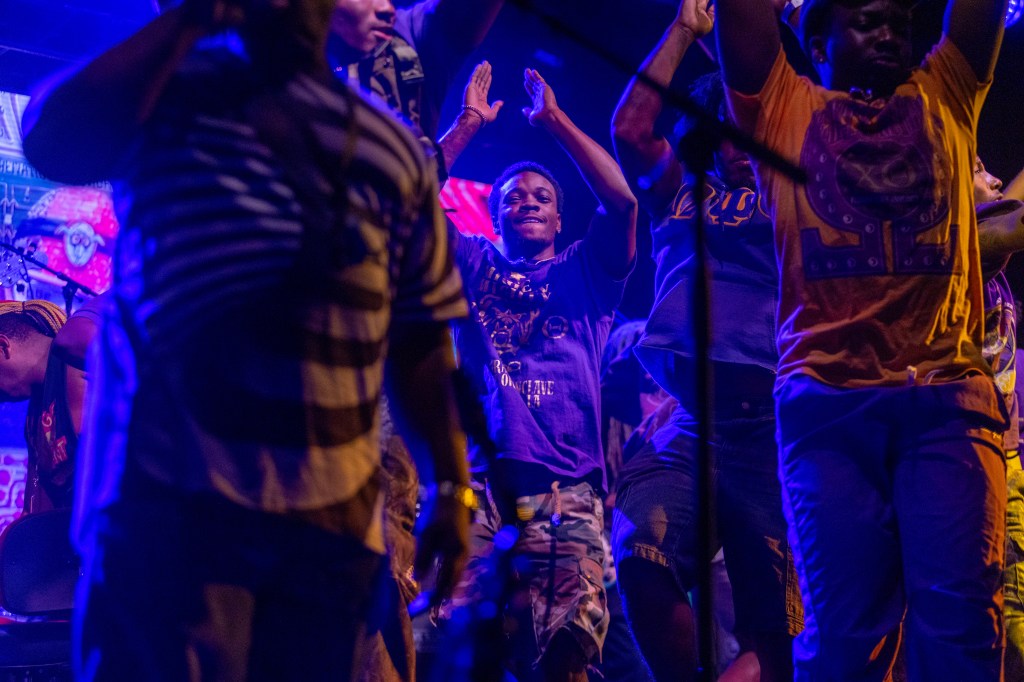
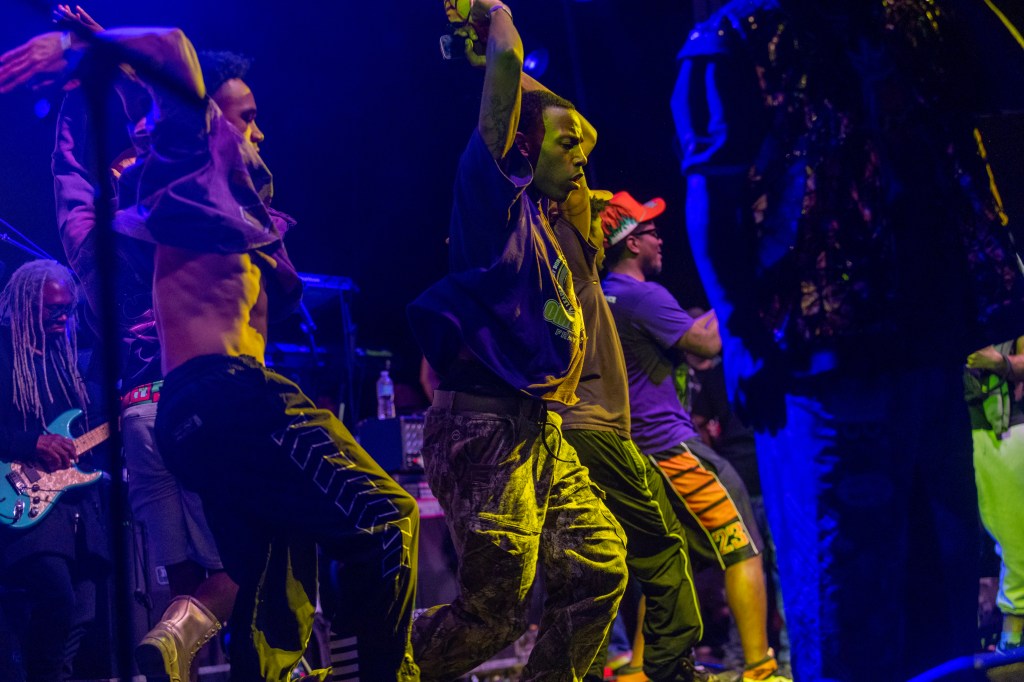
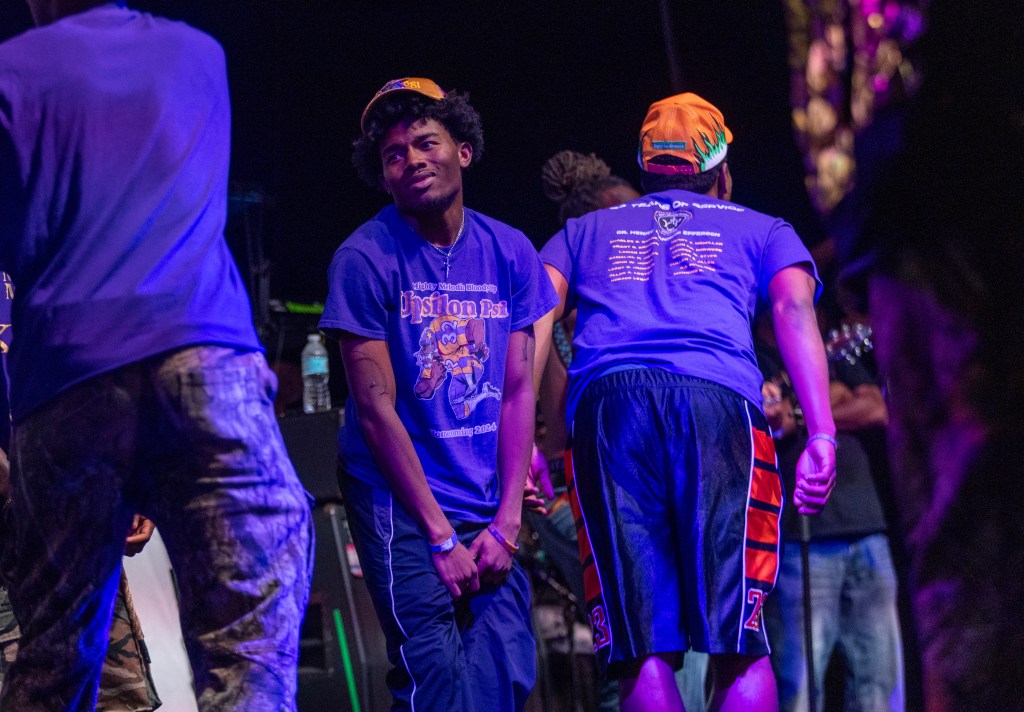
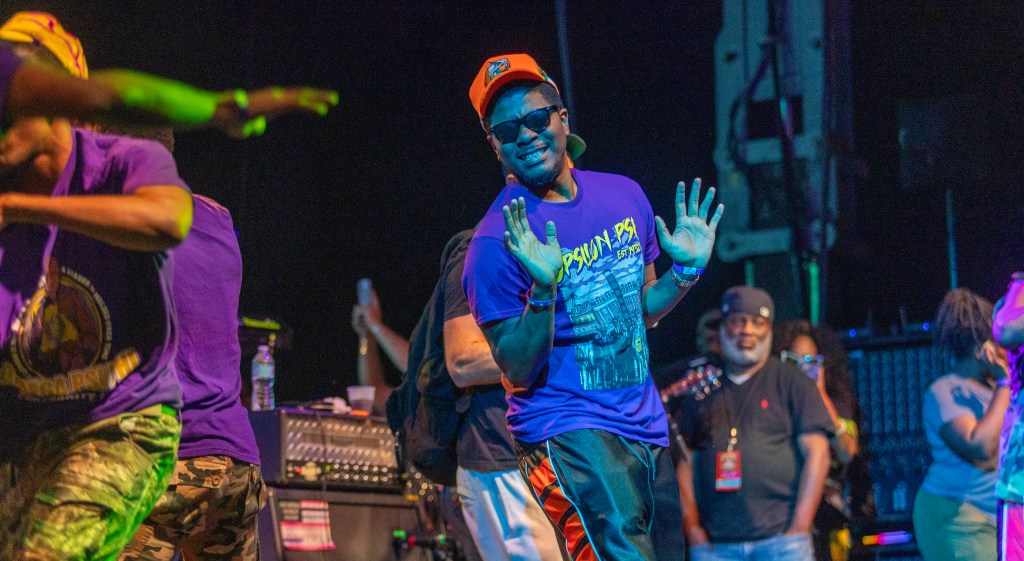
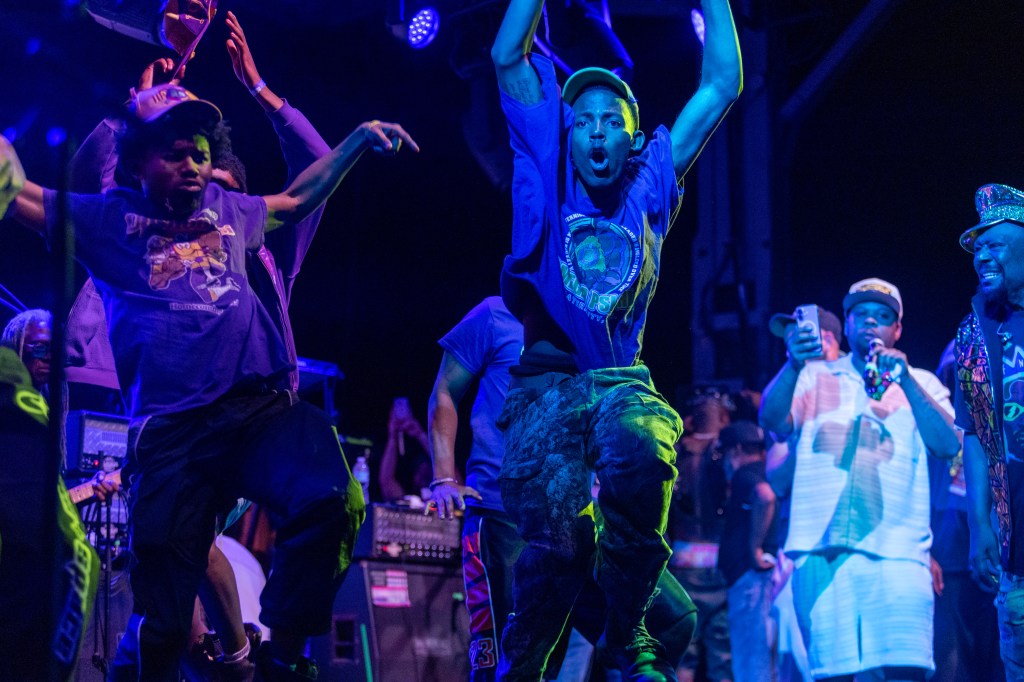
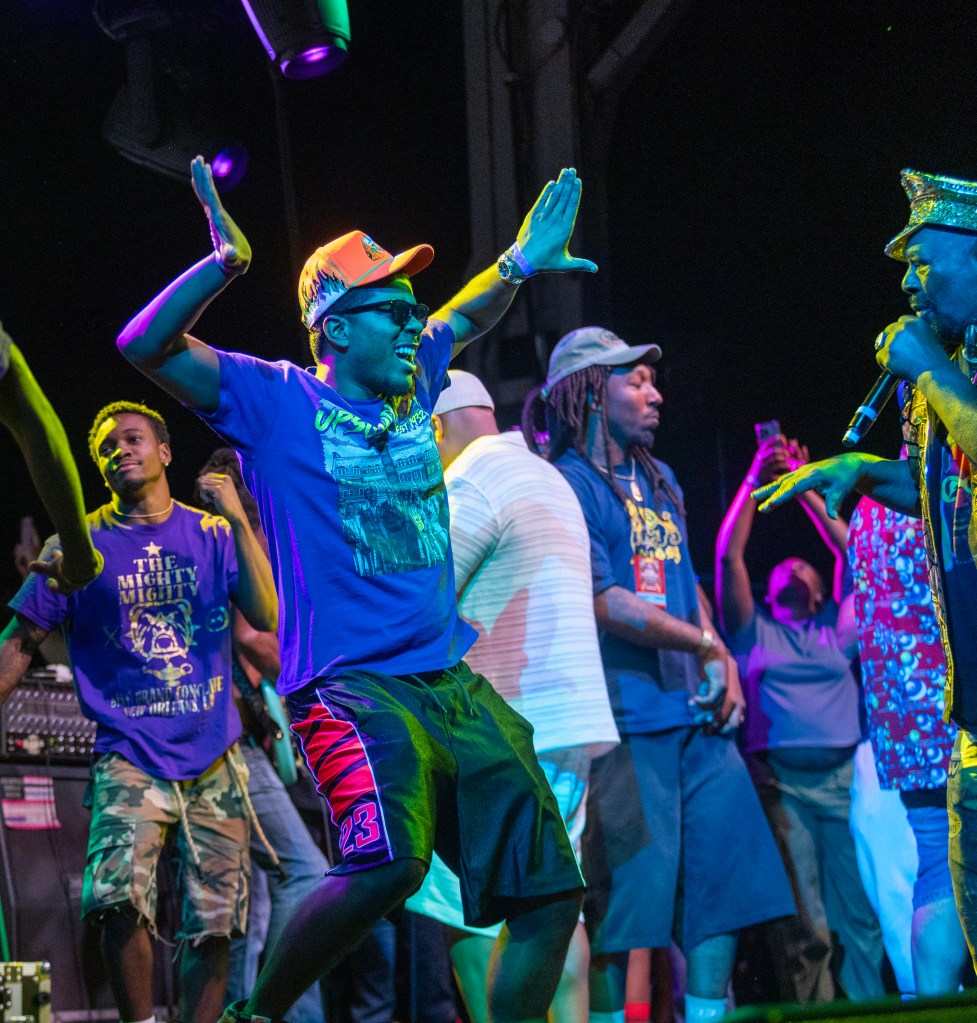
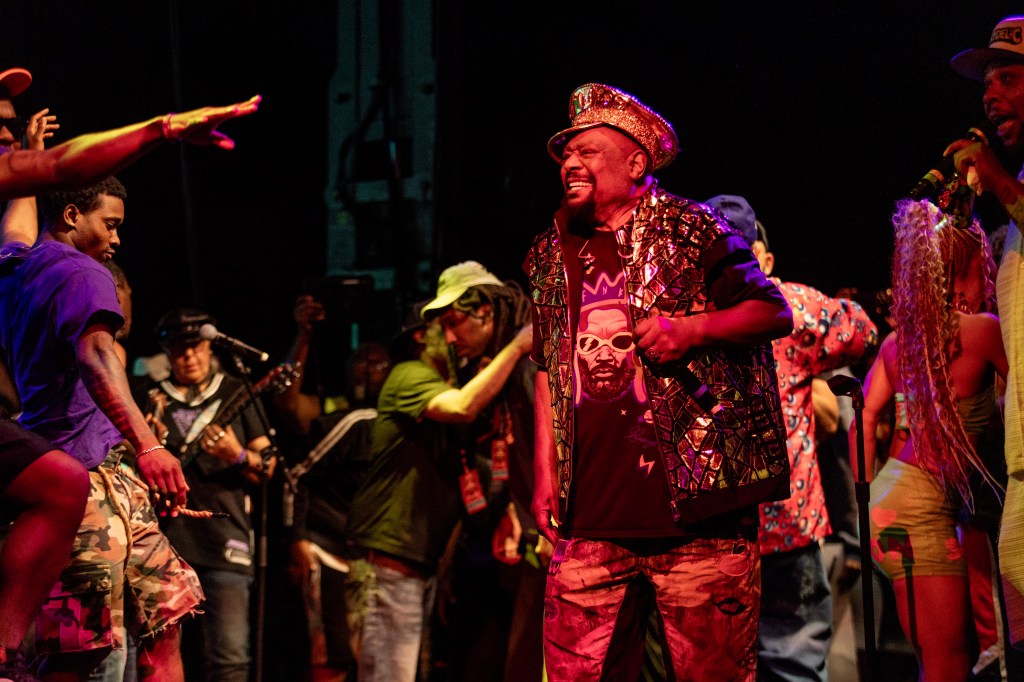
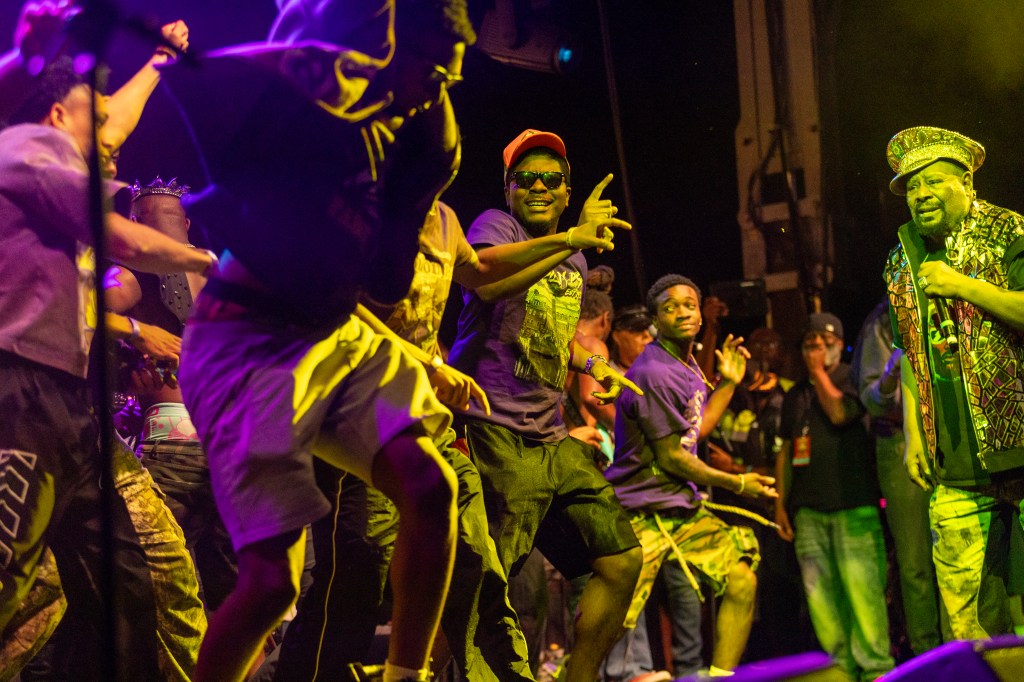
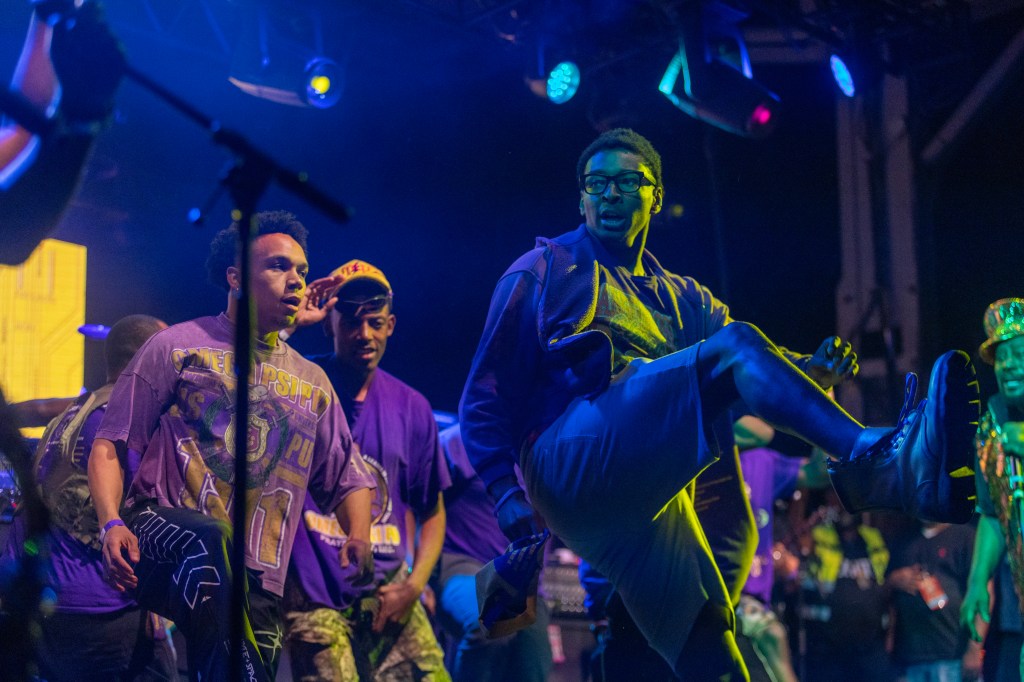
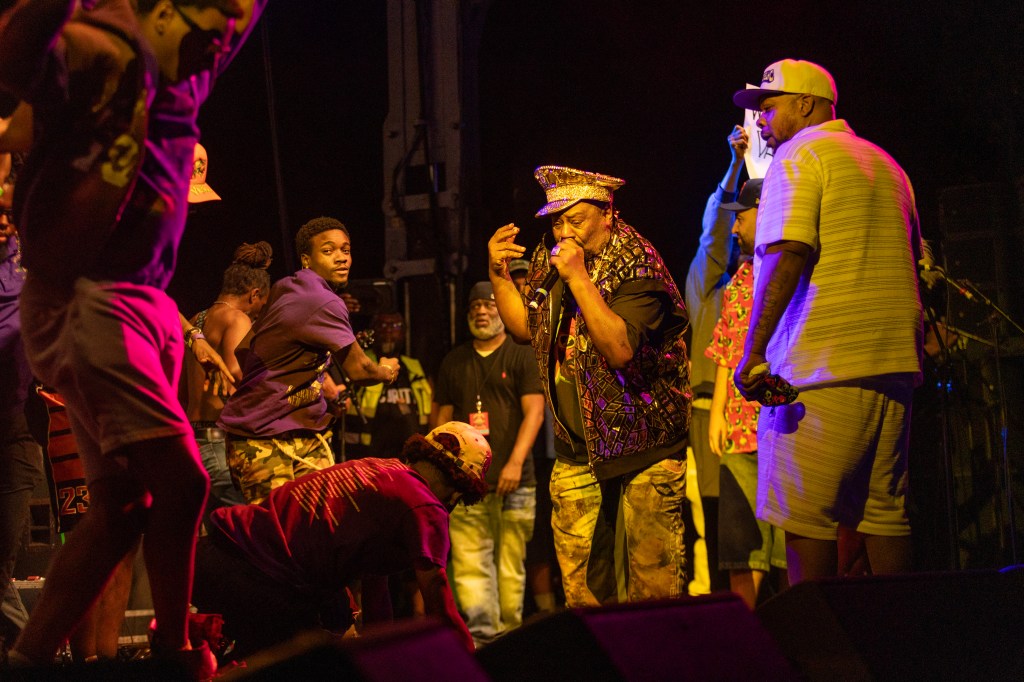
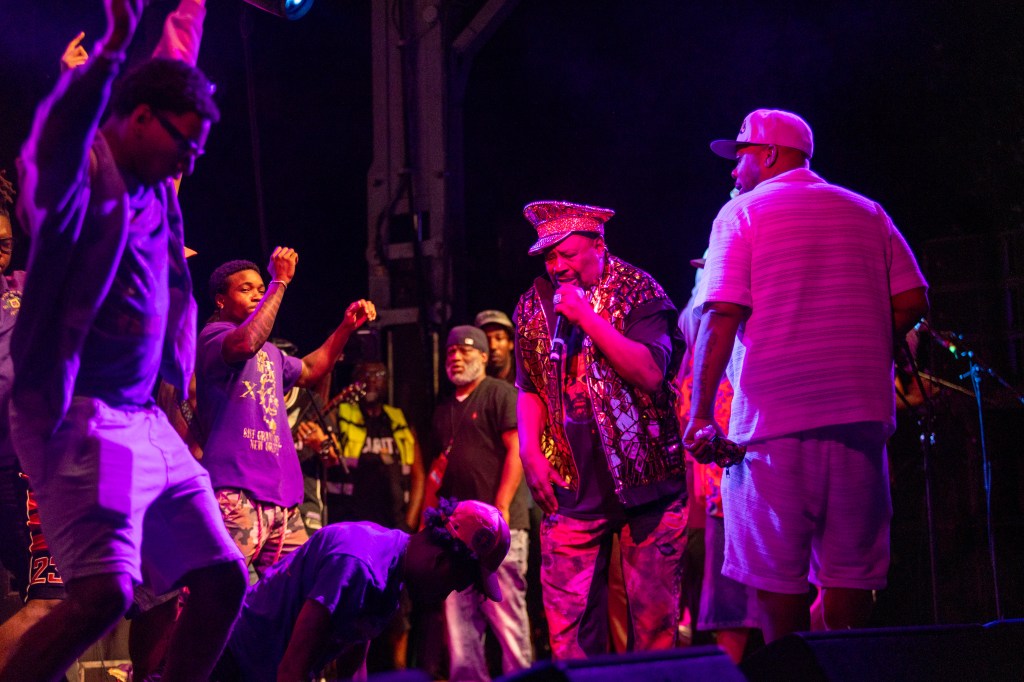
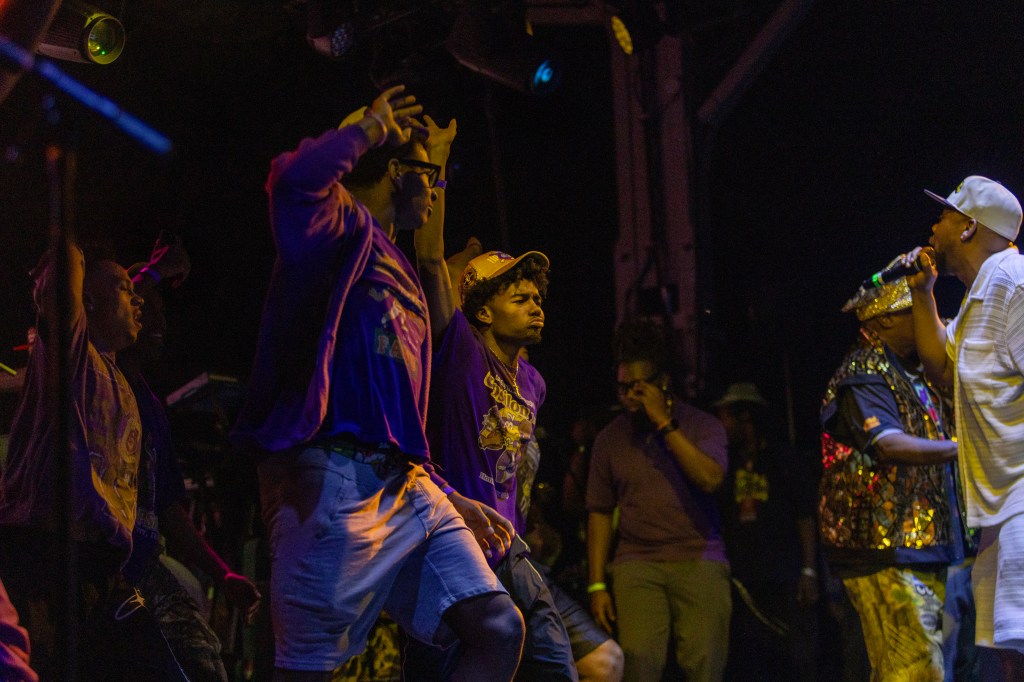
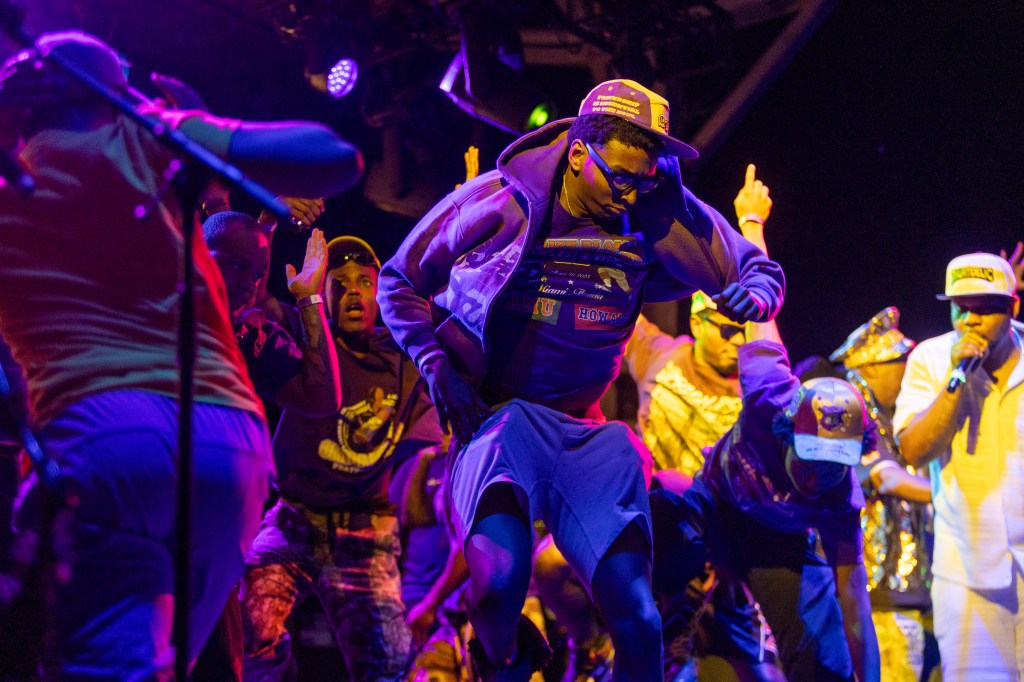
Members of Florida A&M University’s Upsilon Phi Chapter of Omega Psi Phi Fraternity, Inc., alongside Florida State University’s (FSU) Chi Theta Chapter, shared the stage with Rock & Roll Hall of Famer George Clinton during his inaugural P-Funk Fest in Tallahassee, Florida.
FAMU, FSU form one nation under a groove
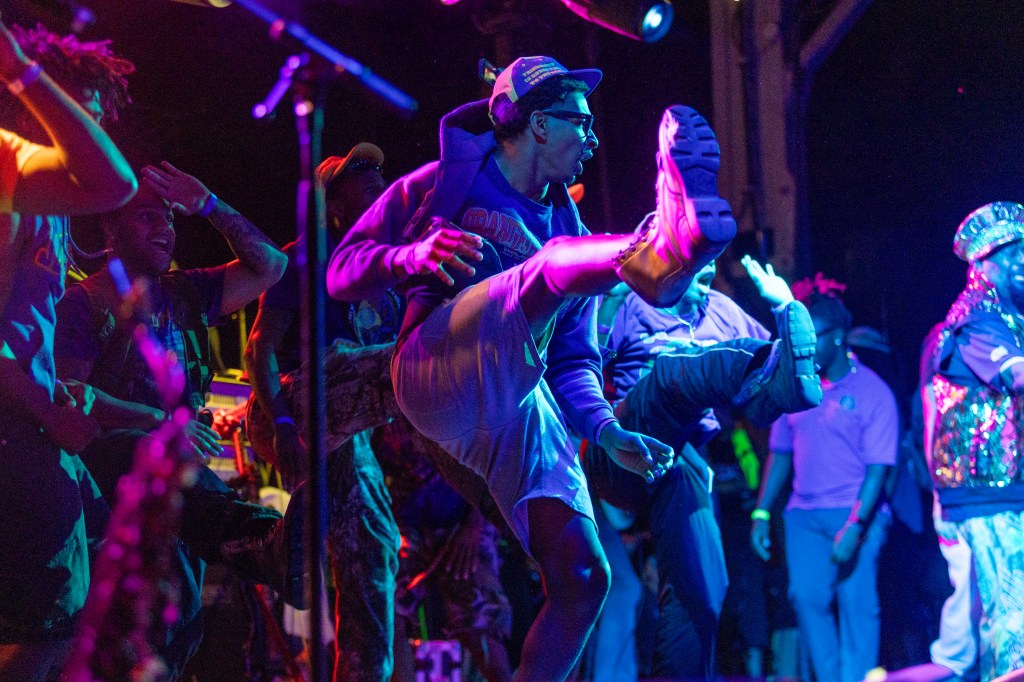
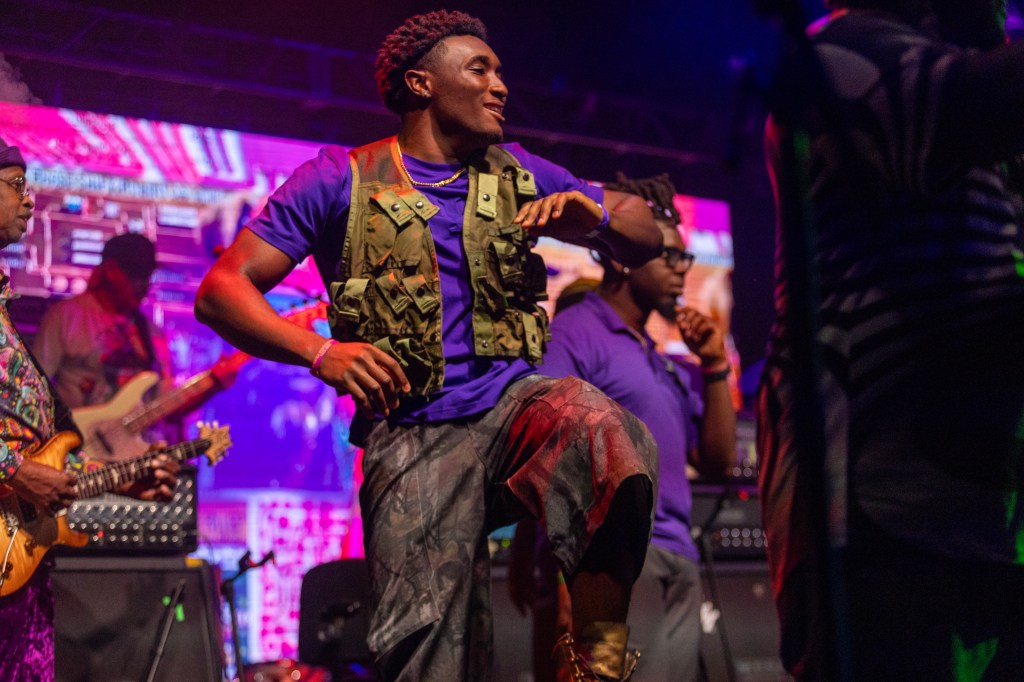
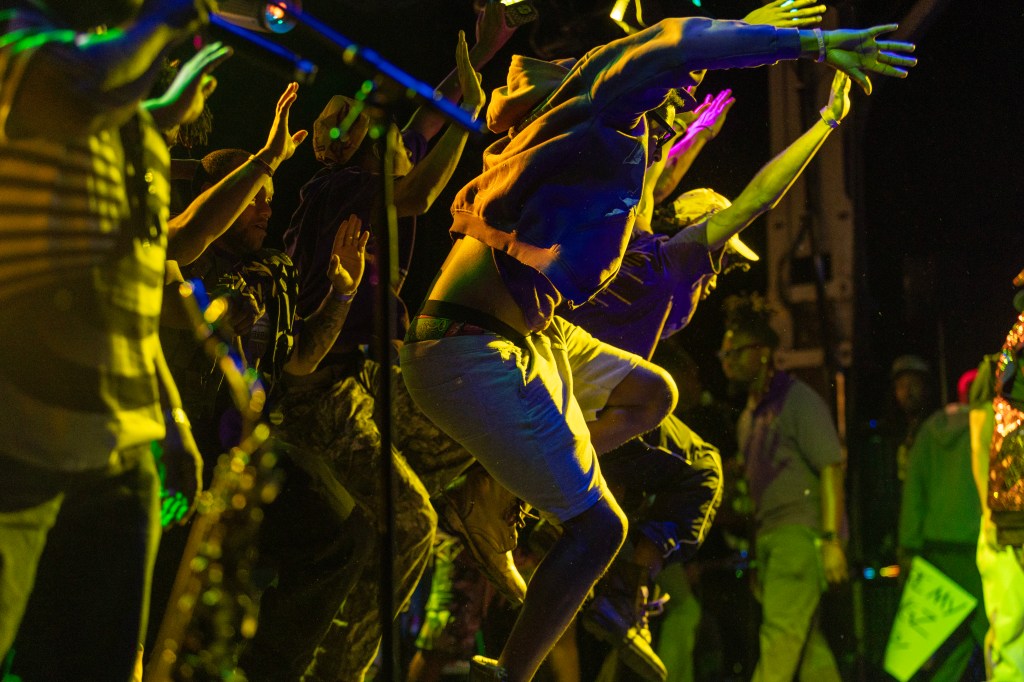
In what marked the first of what is expected to become an annual celebration, the predominantly FAMU Omegas electrified the crowd—hopping, barking, and stepping in signature fashion—as Clinton and his band performed the Billboard No. 1 hit “Atomic Dog,” widely regarded as his most popular and most sampled song.
Cole Bigelow, a junior at FAMU and president of the Upsilon Psi Chapter was elated at the opportunity.
“One of my prophytes alerted us that Mr. Clinton wanted us to perform Atomic Dog with him at this festival,” Bigelow said. “I was so happy to not only see him perform some of his other songs, but have a chance to step as well. It was crazy. I can only say he is iconic and it was an honor to be on stage with him.”
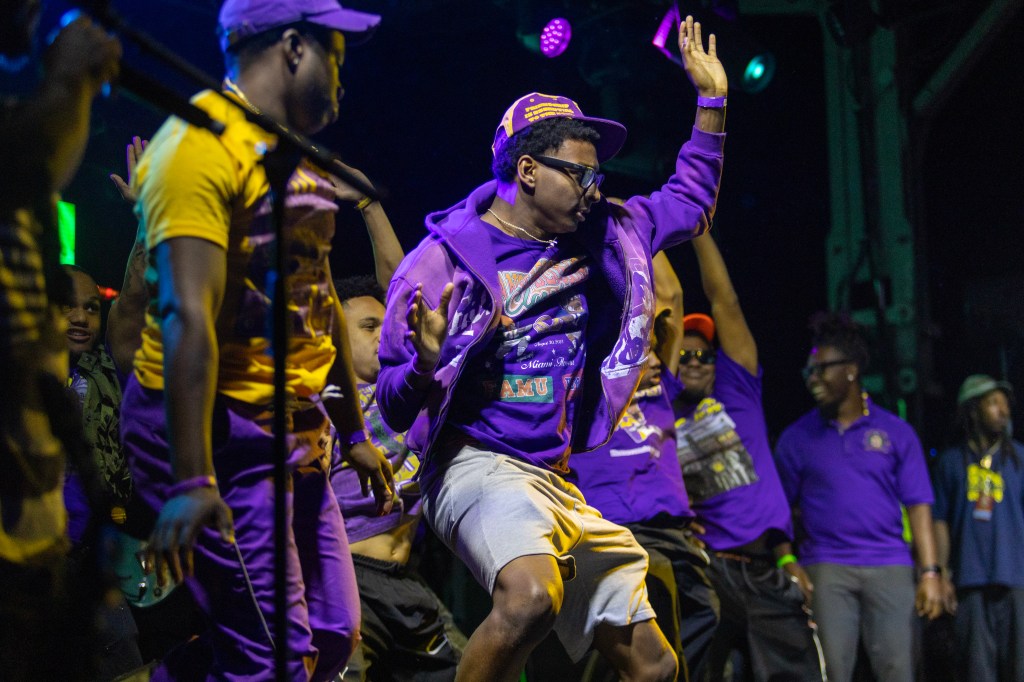
Originally released in December 1982 as part of Clinton’s solo album Computer Games, “Atomic Dog” quickly rose to the top of the Billboard Top Black Singles chart by early 1983. But while the song was climbing the charts, a cultural movement was simultaneously taking shape—driven by an HBCU.
That movement began at Howard University
Just two weeks after the song’s release, Clinton was scheduled to perform in Washington, D.C. At the time, many major Black artists frequently toured college campuses due to limited access to larger venues. Upon arriving, Clinton was picked up from the airport by a group of young men he initially assumed were football players.
“They were kind of big, so I just assumed they were the football team,” Clinton recalled.
The men were actually members of the Alpha Chapter of Omega Psi Phi Fraternity, Inc.—the legendary “Que Dogs.” What followed became one of the most iconic moments in HBCU cultural history.
Still unsure whether “Atomic Dog” had gained enough traction to perform live, Clinton hesitated. Before allowing him to check into his hotel, the Omegas asked to show him something. They began stepping and performing to the song with unmistakable energy and precision.
“To my knowledge, this is where it grew into becoming the unofficial song of the fraternity,” Clinton said. “In just two weeks, they owned the song.”
From that moment forward, “Atomic Dog” became inseparable from Omega Psi Phi. For more than four decades, the song has served as an unofficial anthem within HBCU culture, synonymous with the fraternity’s identity, pride, and performance tradition.
Omega Psi Phi welcomes Clinton into the brotherhood
In a full-circle moment, Clinton himself was inducted as a lifetime member of Omega Psi Phi Fraternity, Inc. on July 30, 2020, during the height of the global pandemic. His induction class included comedian D.L. Hughley and actor Anthony Anderson—further cementing his connection to the brotherhood.
Even prior to his official induction, Clinton routinely invited local Omega chapters to join him on stage during performances of “Atomic Dog.” It became an expected spectacle: the opening notes of the song followed by a sea of purple and gold, as Omegas filled the stage with signature hops, barks, and synchronized movement.
HBCUs hosted to groups from the 1970s and 1980s
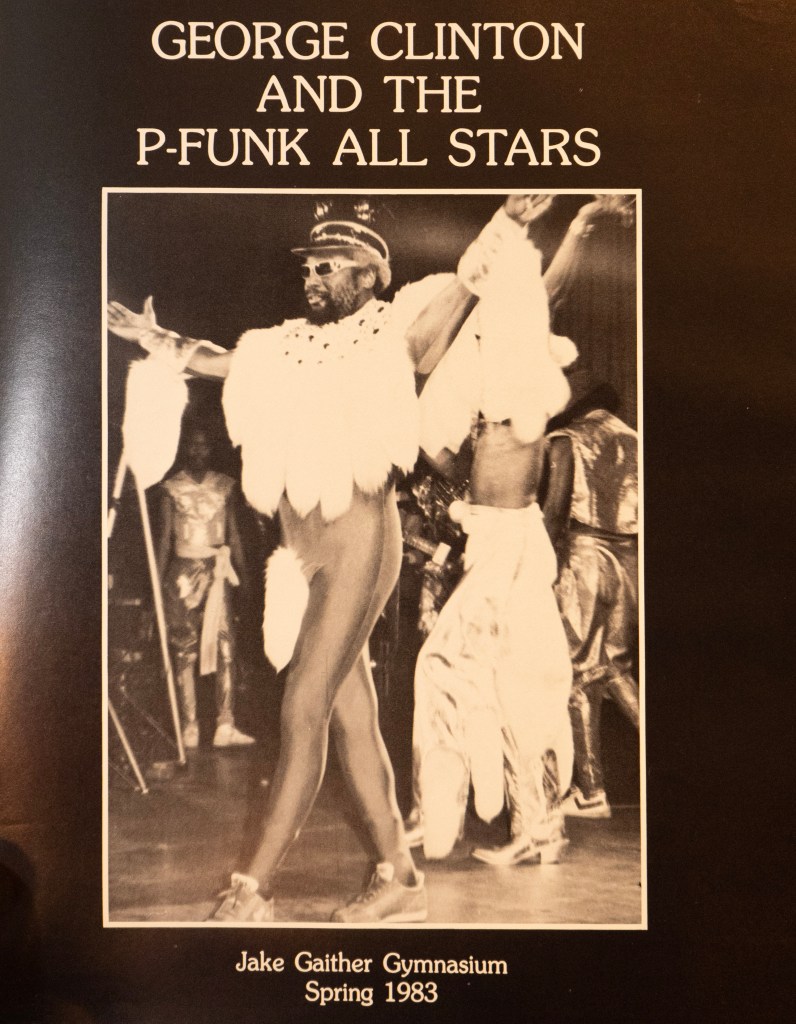
The deep connection between funk music and HBCU culture extends well beyond “Atomic Dog.” During the 1970s and 1980s, HBCU campuses like FAMU served as key performance venues for many of the era’s top Black artists. With limited access to major promoters and large arenas, these institutions became cultural hubs where music legends could connect directly with Black audiences.
Groups such as Parliament-Funkadelic, The Bar-Kays, and The Gap Band were frequent performers on HBCU stages. Yearbooks from the era capture moments featuring icons like The Temptations, Harold Melvin & the Blue Notes, Chaka Khan, and Stevie Wonder—highlighting the critical role HBCUs played in shaping and sustaining Black musical culture. That continues on the yard at FAMU, FSU and around the country.