

The CIAA is betting on Baltimore again, and the HBCU world is treating it like a case study.
This partnership is clearly bigger than just a tournament site decision. It’s a statement about where the culture travels, and where the money follows.
Baltimore has been the CIAA’s host-city partner since 2021. That first year never tipped off in person, because the 2021 tournament was canceled due to COVID-19. But the relationship still began there, and the event has been in Baltimore in person since 2022.
The tournament arrived from Charlotte, which hosted it from 2006 through 2020. For a long time, it was the modern home of the league’s biggest stage.
How Baltimore “brought it home” again
Last spring, the CIAA’s next host-city cycle became a two-city race. The choices were both familiar. Charlotte and Baltimore both submitted bids, and the league’s presidents and chancellors held the vote. As HBCU Gameday reported at the time, Baltimore’s bid ultimately beat Charlotte’s bid for a few reasons.
Now that vote has a long tail. The CIAA has extended the Baltimore partnership through 2029, locking in the tournament week as a winter anchor for the city for years.
CIAA Commissioner Jacqie McWilliams Parker framed it as a relationship, not a rental.
“You truly have embraced us,” she said during the press conference. “That’s probably why we’re coming back through 2029.”
Why Charlotte’s bid couldn’t close the deal
Why is the tournament staying in Baltimore instead of Charlotte? The simplest version is that Baltimore checked more boxes. The more honest version is that Charlotte’s proposal had constraints Baltimore didn’t.
Charlotte had scheduling conflicts that shaped the years it could even offer. It also faced venue complications that threatened the CIAA’s preference to keep the tournament in a single, central footprint. And hotels became a make-or-break issue.
That is the part many fans don’t see. The CIAA is not just selling basketball games. It’s selling an entire week that runs on room blocks, rate caps, and walkable logistics.
When the city can’t guarantee the total package, the vote gets hard. And when the presidents can’t protect the fan experience, the vote gets harder.
The economic argument, in plain language
Mayor Brandon Scott went straight to the numbers.
“Generating over $100 million in economic impact,” he said, describing the tournament’s Baltimore era. “Think about the 2025 tournament alone that drove more than $27 million,” Scott added.
He also explained what that week does to Baltimore’s calendar. The end of February is usually quiet. But not with the CIAA in town.
Scott said the tournament changes the tone of the city in real time.
“They’re now vibrant and people are everywhere,” he said. “And supporting the businesses.”
Then he gave the line that tells you what Baltimore is really marketing.
“
This is what this is about,” Scott said. “Hosting a big black family reunion in black Baltimore at the end in February.”
Baltimore’s pitch is culture, not just capacity
Tourism leaders have learned something in the last few years. A major event isn’t only measured by attendance. It’s also measured by whether people return.
Visit Baltimore’s Kareem Swinton described the CIAA as bigger than the bracket.
“It’s not just about basketball,” he said. “This is… more than a game to us.”
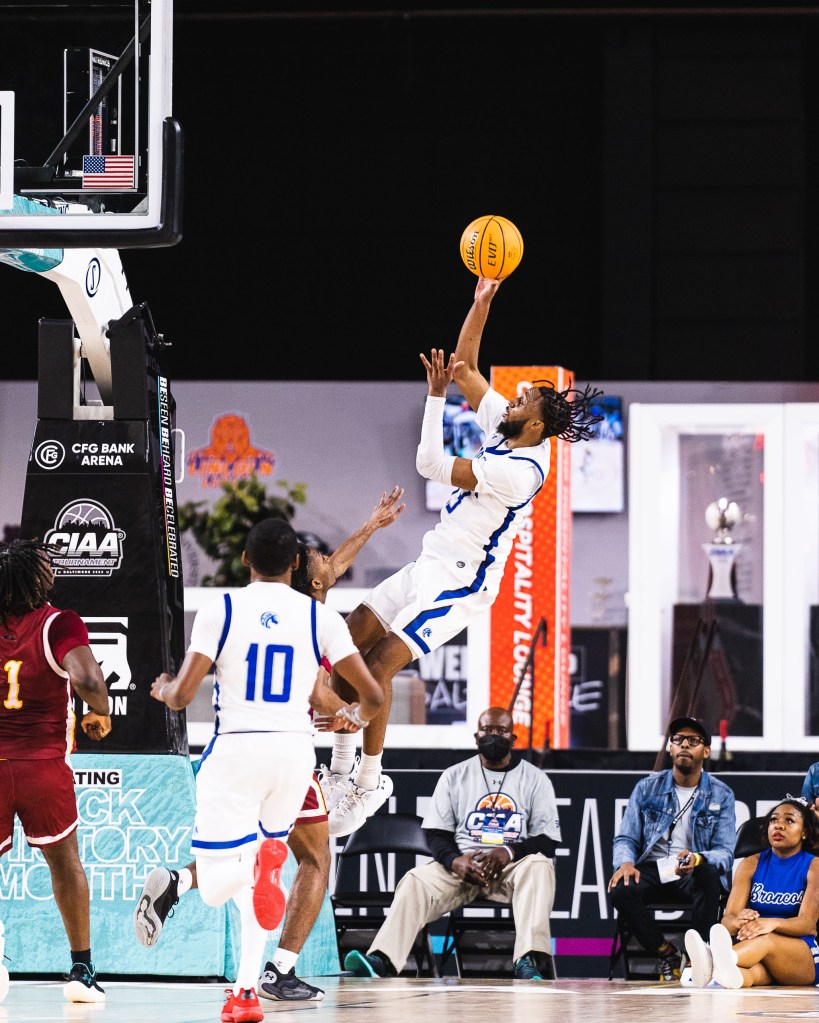
That framing matters for this HBCU audience. CIAA week is parties, bands, step shows, alumni meetups, and a citywide rhythm. Basketball is the main stage, but the week is the show.
Baltimore is leaning into that identity. It positions the CIAA as a Black culture destination event, not a sports tournament with a side of culture. That difference is subtle, but it changes how a city builds its bid.
What 2026 is selling
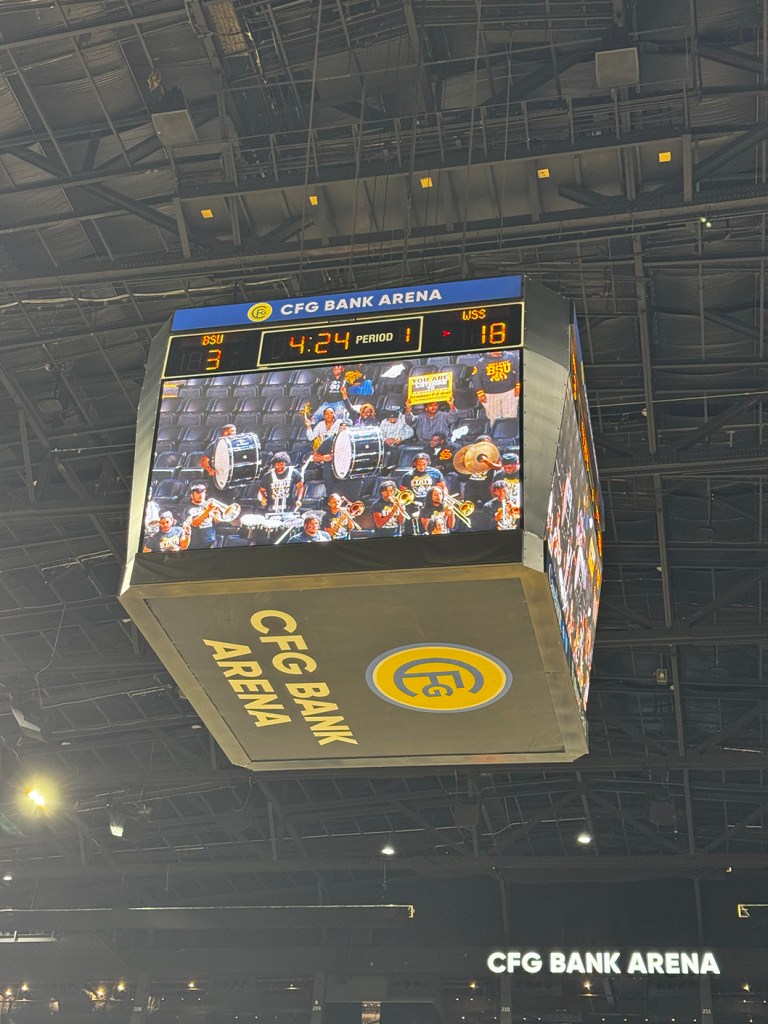
The 2026 CIAA Tournament is set for Feb. 24 through March 1 at the renovated CFG Bank Arena.
The CIAA wants a building that looks and feels like a major event. It wants TV to match the energy in the seats and the city to feel unified during tournament week.
McWilliams Parker emphasized scale during her remarks.
She noted the tournament’s full-week TV presence and the size of the overall footprint and pointed to attendance momentum since 2023.
That’s why Baltimore is such a fit right now. It can turn one arena and a tight downtown into a contained festival where fans feel like everything is connected.
The bigger play for the CIAA
There’s also a power move here by the league itself. A stable home gives the CIAA leverage with sponsors, venues, hotels, and broadcasters. It also gives alumni a fixed destination, year after year.
And for Baltimore, it’s a different kind of tourism strategy. The city, redefining itself daily, isn’t chasing one-off weekends. It’s building a repeating tradition with an HBCU audience that travels and spends.
Scott said Baltimore is proud of the fit, for multiple reasons.
“We are a basketball town,” he said. “We’re also a black city, and we’re very proud of that.”
That is the formula.
When the CIAA and Baltimore talk about “more than a game,” they’re describing a partnership built on culture, access, and repeatable economic impact. And now they’ve chosen to keep running that play through 2029.