
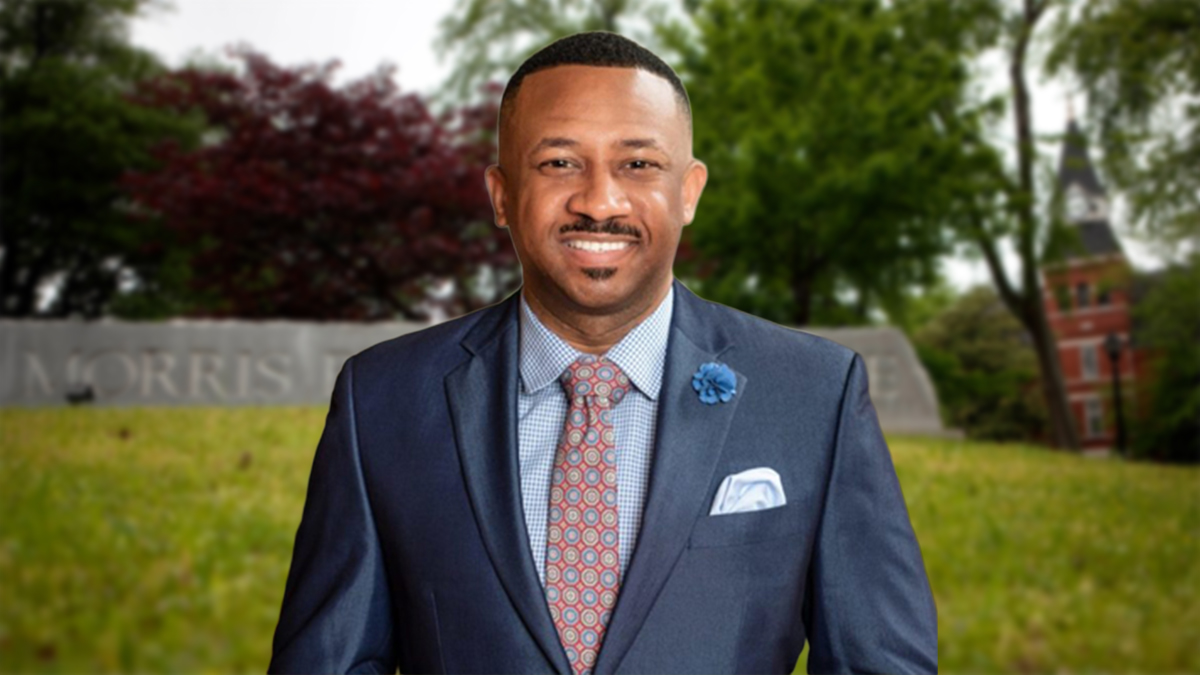
A leadership shakeup has sent ripples through the HBCU community after the abrupt termination of Kevin James as president of Morris Brown College. It was a decision he says came without cause or explanation.
HBCU Removes President Swiftly
In a letter published on Jan. 12, 2026, Dr. James announced that the Morris Brown College Board of Trustees voted to terminate his service as president, despite his contract running through 2029. According to James, the board did not provide a specific reason for the decision.
“This action is deeply concerning,” James wrote, pointing to what he described as a pattern of board overreach that has historically challenged many HBCU institutions. He suggested that similar governance issues were at play in his removal.
The decision has drawn heightened scrutiny due to its timing, as Morris Brown College is scheduled to undergo its accreditation reaffirmation review in the coming weeks.
Accreditation Timing Raises Governance Questions
James emphasized that the board’s move comes at a critical moment for the Atlanta-based HBCU, which regained accreditation in 2022 after nearly two decades. He argued that leadership instability so close to the reaffirmation process could raise red flags for external reviewers.
Equally significant, James stated that the board’s action disregards standard governance practices and the terms of his existing employment agreement. He noted that he recently completed a successful annual evaluation and received consistently strong performance reviews throughout his tenure.
James indicated that he intends to pursue all legal rights and remedies available under his contract.
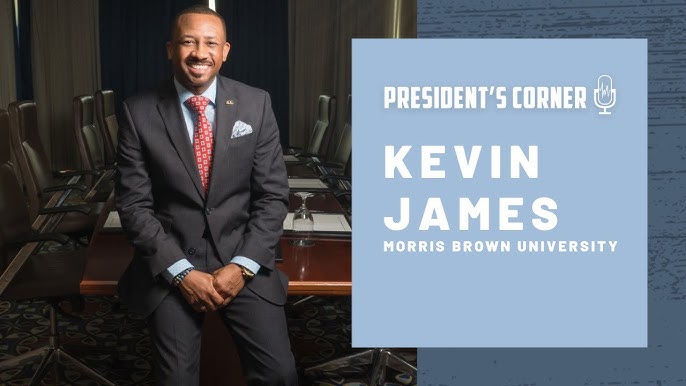
A Transformational Era at Morris Brown
During his seven years as president, James oversaw one of the most remarkable turnarounds in modern HBCU history. Under his leadership, Morris Brown College became the first HBCU to regain accreditation after losing it for nearly 20 years.
The institution also restored access to federal financial aid, a milestone that helped fuel enrollment growth from roughly 20 students to more than 540. Financially, the college achieved seven consecutive years of clean audits and established long-term fiscal stability, reversing years of uncertainty.
Beyond the numbers, Morris Brown regained national visibility and credibility, reestablishing itself as a viable and competitive institution within the HBCU landscape.
“Morris Brown College has literally made history under my leadership,” James wrote, standing firmly behind the progress achieved during what he described as a period of restoration and resurgence.
Community Support Amid Uncertainty
Despite his disappointment, James expressed gratitude for the support he has received from alumni, faculty, staff, students, and community partners. His message, signed as the college’s 19th president, closed with a nod to the institution’s journey “From #TheHardReset to #TheResurgence.”
As Morris Brown College moves forward without the leader most closely associated with its revival, questions remain about governance, stability, and next steps. For many observers across the HBCU community, the situation underscores the delicate balance between boards and presidents during moments of institutional progress.
The coming weeks, particularly during the accreditation review process, may prove pivotal for Morris Brown College’s future direction.