
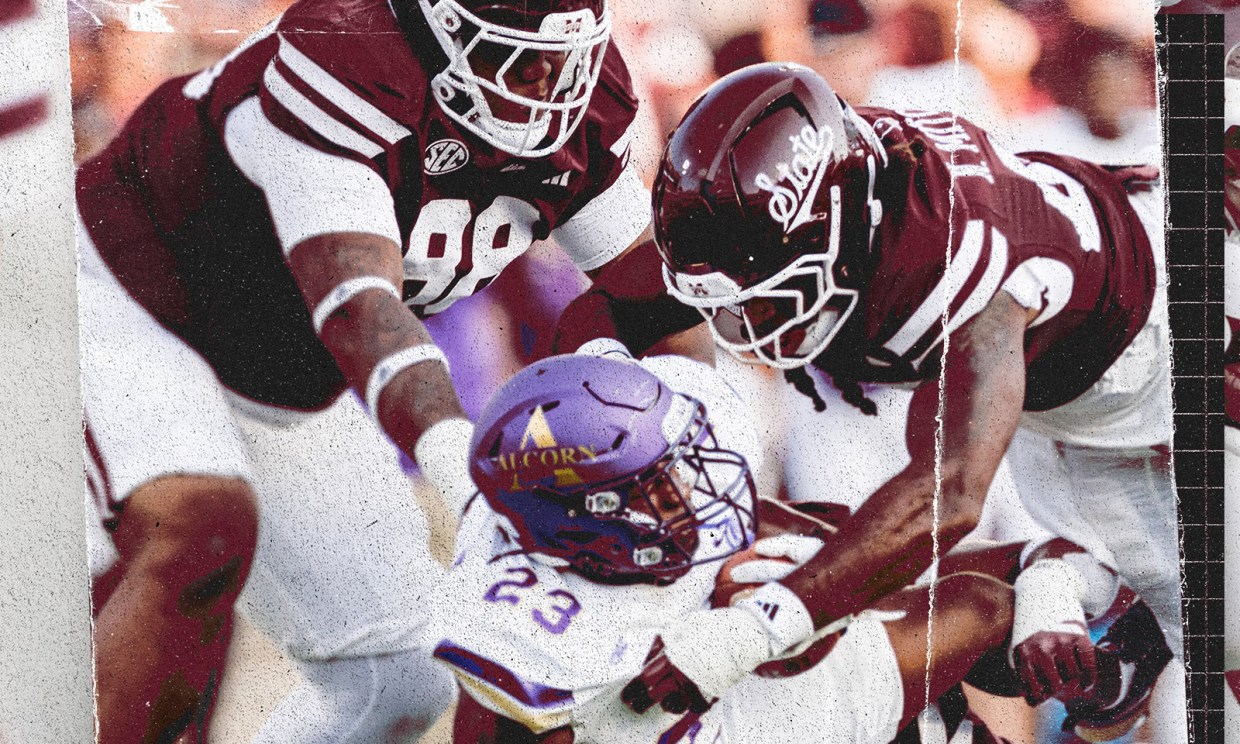
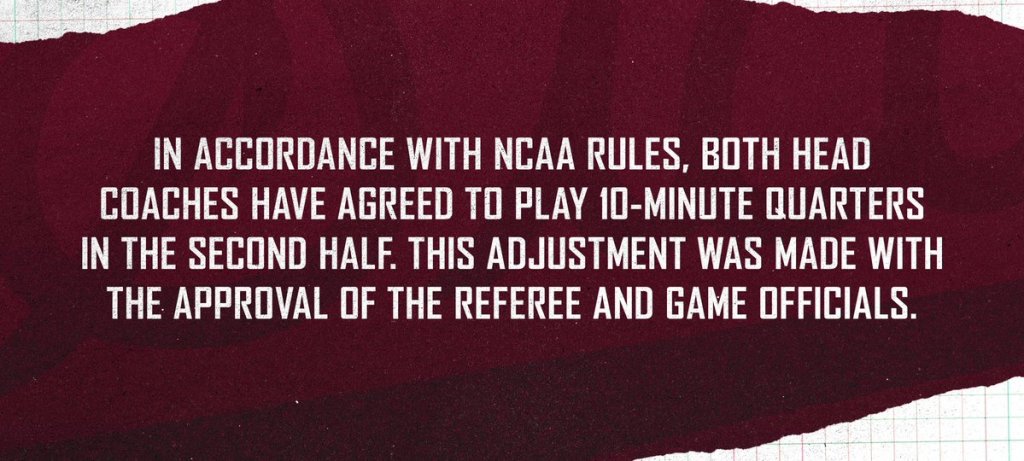
Mississippi State had already made its point by halftime. The nationally ranked SEC school was leading Alcorn State 63-0 under the lights at Davis Wade Stadium, the Bulldogs and Braves coaching staffs shook hands—figuratively, at least—on an unusual adjustment. The second half would be shortened to two 10-minute quarters, a decision rooted in both mercy and logistics. The reason? Alcorn’s famed “Sounds of Dyn-O-Mite” HBCU marching band needed to pack up, hit the road, and make it to New Orleans for a performance at the Saints’ home game the next day.
| Statistics | 1 | 2 | 3 | 4 | OT | Total |
|---|---|---|---|---|---|---|
A Lopsided Score and a Cultural Pivot
From the opening kick, Mississippi State flexed its SEC muscle. The Bulldogs ripped off explosive scores of 75 and 42 yards, racked up 348 first-half yards, and built a 28-0 lead by the end of the first quarter. By halftime, the 42 points they had dropped on Alcorn marked their biggest first-half outburst since 2013.
Alcorn State, an HBCU with deep football tradition, never stopped competing. Quarterback Jaylon Tolbert completed 11 passes for 80 yards, while Omarion Blakes led all Braves receivers with three catches. On defense, Bakari McCall intercepted a pass in the second quarter, and linebacker TB Hinton recorded five tackles. However, the uphill battle was obvious against the depth and speed of Mississippi State.
That’s why the second half became more about preservation and pragmatism. Rest the Bulldogs’ starters, keep Alcorn’s players safe, and get the band on its way to the Big Easy.
The NCAA “Mercy Rule”
While fans may call it a mercy rule, the NCAA doesn’t officially list it. Instead, the rulebook allows both head coaches and the referee to mutually agree to shorten the length of quarters if the game situation calls for it. Blowouts, weather delays, or—like this—cultural scheduling conflicts can all qualify.
In this case, the Braves left Starkville with more than just a 63-0 final. They carried pride in keeping their poise on the field and an even bigger stage waiting in New Orleans, where the band’s halftime show would resonate more than the scoreboard.
The Business of Money Games
Saturday night’s matchup was never about competitive balance. It was a money game—an all-too-familiar arrangement in HBCU football. Smaller schools accept lopsided matchups with Power Five opponents in exchange for hefty payouts that can fund athletic departments for an entire season.
Alcorn State’s take-home: $510,000. That figure was negotiated from the original $400,000 agreed upon in 2016, then bumped to $475,000 in a 2018 addendum. The final 2025 number represents the cost of stepping onto the same field as an SEC powerhouse.
But the trade-offs spark debate across the HBCU landscape. Just last week, North Carolina A&T head coach Shawn Gibbs criticized the culture of money games after his team was dismantled by UCF, losing not only on the scoreboard but also three quarterbacks to injury. For him, the check wasn’t worth the risk.
What It Means
For Mississippi State, the game was business as usual: a tune-up, a stat-padding showcase, and a chance to rest starters before SEC play ramps up. For Alcorn, it was equal parts financial necessity and cultural statement. The band’s primetime performance in New Orleans underscored the dual identity of HBCUs—athletics and the marching band tradition, both commanding national stages.
In the end, the scoreboard read 63-0, but the real story was how an SEC blowout bent to the rhythm of HBCU band culture while making an honest acknowledgment of the competitive nature of HBCU money games.