
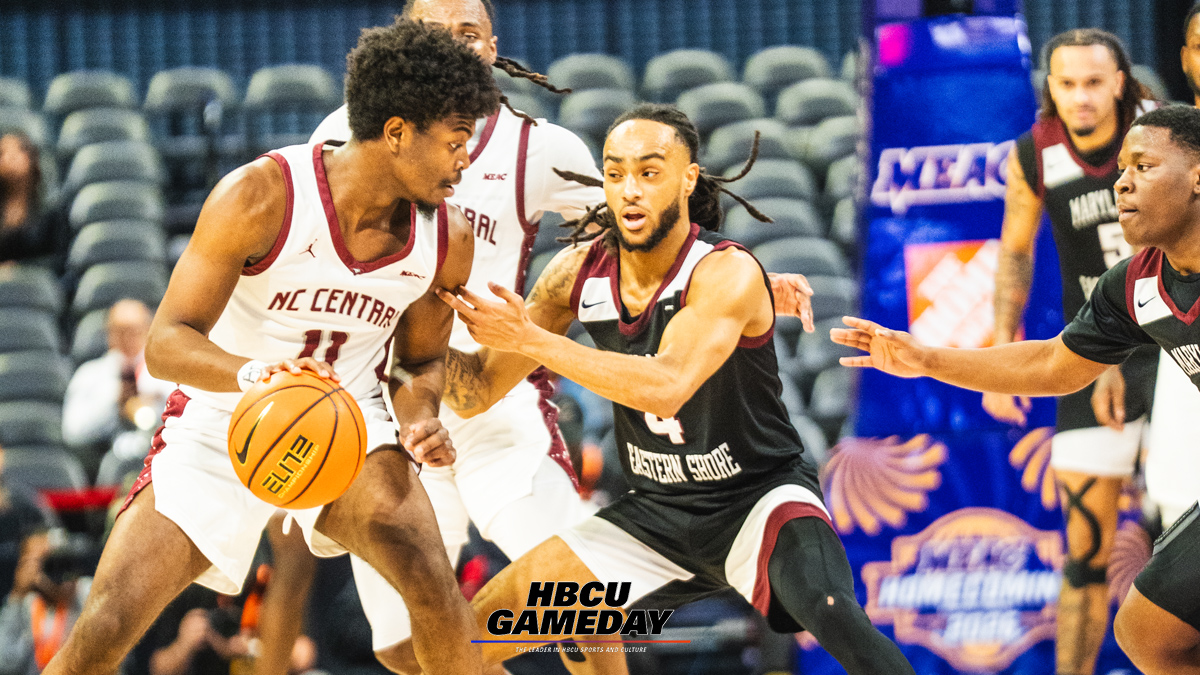
The NCAA Transfer Portal era has reshaped college hoops, and as April 7, 2026 approaches, the shift feels more dramatic than ever. The NCAA scheduled the Division I men’s basketball Transfer Portal window to open after the national championship game. Still, the reality on the ground tells a different story.
Across the country, players announced their intent to enter the portal, some as early as February. Social media has become the unofficial starting line. Declarations arrive daily, often before the season’s final confetti falls. That gray area raises questions about tampering, communication, and enforcement. It also reflects a system that struggles to match its own timeline.
Programs at every level are adjusting in real time. Coaches monitor rosters while preparing for postseason play. Athletes weigh loyalty against leverage. The Transfer Portal conversation now sits at the center of that tension.
The phrase long echoed within HBCU circles still rings true: the portal giveth, and it taketh. Recent years have shown just how deeply that reality cuts.
HBCU Basketball Transfer Portal: Award Winners on the Move
This season reinforces a growing trend within the HBCU Basketball landscape. Top performers are no longer waiting to test the market. Many are leading the charge.
The SWAC delivered a striking example. The conference went four for four, with each individual award winner signaling plans to enter the portal.
Player of the Year Daeshun Ruffin of Jackson State headlines the group. He averaged 23.3 points and 5.3 assists per game, though a waiver may be required. His production makes him one of the most intriguing names nationally.
Defensive Player of the Year Jerquarius Stanback of Alabama State is in the portal, too. His decision followed head coach Tony Madlock’s departure to Memphis. Stanback averaged 2.0 blocks while anchoring the defense.
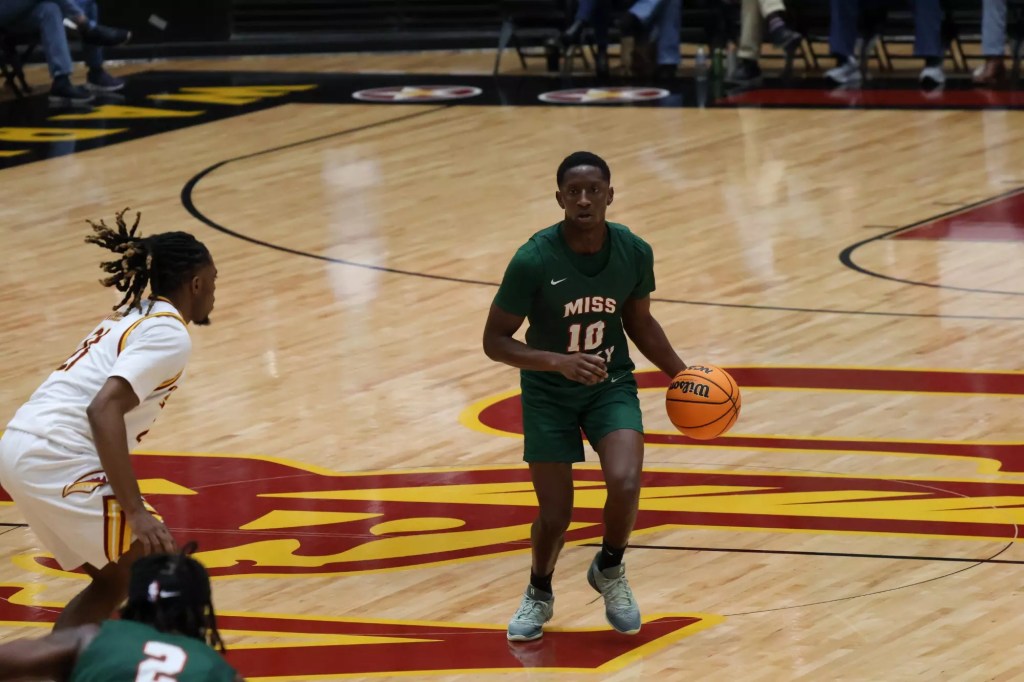
Newcomer of the Year Michael James of Mississippi Valley State adds another name. He posted 21.4 points per game and earned first-team honors.
Freshman of the Year Antonio Munoz of Grambling State rounds out the list with 12.5 points per contest.
The movement does not stop there. Dontae Horne of Prairie View A&M and Michael Jacobs of Southern, both All-SWAC selections, have also declared. Each may need a waiver, adding another layer of complexity.
The HBCU Basketball Transfer Portal pipeline is no longer selective. It is comprehensive.
Transfer Portal impact on HBCU Basketball: MEAC Mirrors the Trend
The MEAC followed a nearly identical script in the HBCU Basketball Transfer Portal cycle. Award winners and top performers alike are preparing to explore new opportunities.
Cedric Taylor III of Howard, both Defensive Player and Newcomer of the Year, stands out immediately. He averaged 17.2 points and 6.7 rebounds while earning multiple honors. His versatility makes him a coveted target.
Rookie of the Year Noah Treadwell of South Carolina State is in the portal as well.
Several All-MEAC selections have joined the wave. Gage Lattimore of North Carolina Central and Alfred Worrell Jr. of Morgan State headline the first-team departures. Ponce James of Delaware State and Jayden Johnson of South Carolina State represent second-team talent entering the portal.
Each name adds to a growing list. Each decision reinforces a broader pattern. The HBCU Basketball player to portal pipeline is not just active; it is accelerating.
A cycle of Opportunity and Loss
A deeper truth sits beneath the headlines. Every player listed shares a common thread. Each transferred into their current HBCU program.
That detail matters. HBCUs are increasingly serving as both destination and springboard. Players arrive seeking opportunity, development, and exposure. Many find all three. Then, success opens new doors.
Name, Image, and Likeness opportunities have only intensified that dynamic. Financial incentives now influence decisions in ways unseen just a few years ago. The Transfer Portal has become a marketplace shaped by performance and potential.
Programs are not powerless, however. As players leave, new talent arrives. Coaches continue to identify undervalued prospects. Systems remain in place to maximize ability. The cycle repeats, often faster than before.
Numbers illustrate the scale. As of April 6 at noon CT, 31 SWAC players have announced intent to enter the portal. The MEAC follows with 19, while independents add 11 more. Those figures reflect only public declarations. The true total will likely climb.
The portal giveth, and it taketh. That reality defines this moment.
As the official opening arrives, the Transfer Portal will once again reshape rosters, careers, and expectations. The names will change but the pattern will not.