

When conversations turn to the “best” coaching jobs in HBCU basketball, the Mid-Eastern Athletic Conference (MEAC) is often reduced to wins, losses, and recent headlines. That approach misses the reality of the league.
In MEAC men’s basketball, jobs are shaped by history, expectations, coaching continuity, and institutional patience as much as by the standings. To understand which jobs are truly the best — and which are the hardest — you have to understand how success is defined differently across the conference.
Norfolk State: The Best MEAC Basketball Job
Norfolk State remains the gold standard in MEAC men’s basketball.
Over the past decade, the Spartans have paired coaching continuity with consistent winning, conference championships, and NCAA Tournament appearances. Stability has allowed Norfolk State to build a clear identity, dependable recruiting pipelines, and expectations that align with its infrastructure. It also pays well.
Winning is not a hope here — it is the expectation. That pressure exists, but it is supported. Among HBCU basketball coaching jobs, Norfolk State offers the clearest path to sustained success, which is why it stands as the league’s best job.
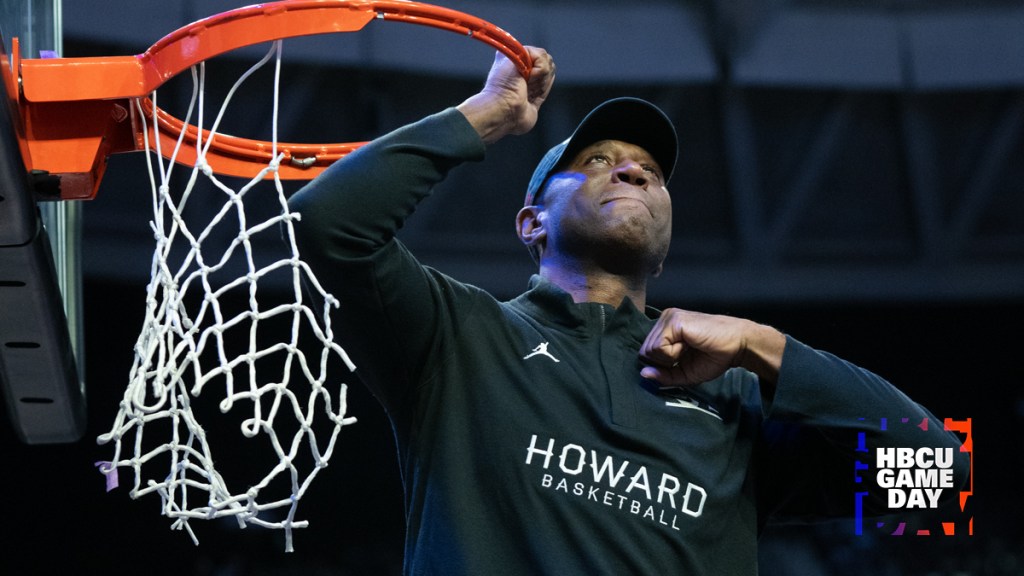
Howard: Brand Power and the Highest Ceiling in the MEAC
Howard University occupies a unique position in HBCU basketball.
Located in Washington, D.C., Howard benefits from national brand recognition, media visibility, and elite recruiting access within the MEAC footprint. When Howard men’s basketball is successful, the attention extends beyond the conference.
Recent success demonstrated how powerful that combination can be when paired with coaching stability. Expectations at Howard are high, and patience can be thin, but the ceiling is unmatched. For coaches who value exposure and ambition, Howard represents one of the most attractive jobs in the MEAC.
Morgan State: Close Enough to Feel the Pressure
Morgan State sits in the middle tier because expectation consistently outpaces recent results.
The Bears have history, a passionate fan base, and access to strong recruiting territory in Baltimore. Those factors create urgency. Morgan State is rarely viewed as a rebuild job, yet sustained dominance has been difficult to maintain.
That tension defines the role. Coaches are expected to compete quickly, and patience is limited. The job’s placement in the middle reflects pressure without the full infrastructure enjoyed by the league’s top tier.
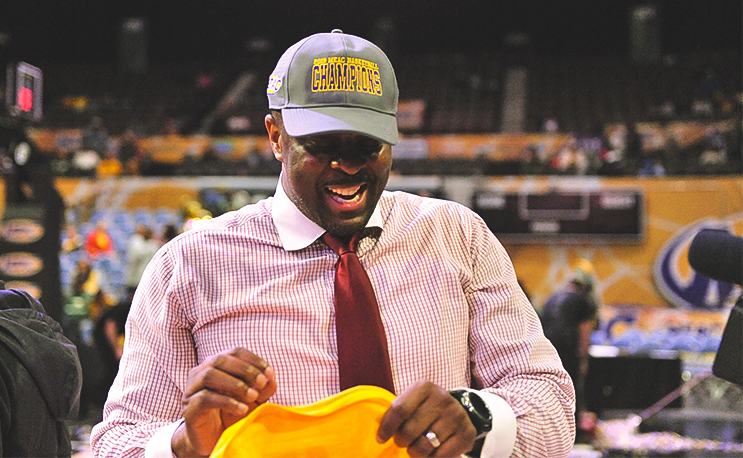
North Carolina Central: Stability Without Annual Dominance
North Carolina Central occupies the middle tier for a different reason — consistency without control.
The Eagles benefit from coaching continuity and a well-defined identity, which keeps them competitive year after year. Success here is measured by toughness, relevance, and discipline rather than championships every season.
That balance places NCCU firmly in the middle: respected, steady, and rarely dismissed, but not carrying the championship mandate of the league’s top jobs.
Delaware State: Middle by Trajectory, Not History
Delaware State’s placement in the middle reflects progress, not tradition.
Historically, the Hornets struggled to sustain success, often sitting near the bottom of the MEAC. However, recent seasons have shifted perception. Improved competitiveness, better conference play, and greater stability have moved Delaware State into a transitional space.
The program is no longer judged solely by survival, yet it has not reached a point where winning is assumed. That evolving expectation defines Delaware State as a middle-tier job — one shaped by trajectory and possibility rather than legacy.
UMES: Middle Because the Spotlight Is Low
Maryland Eastern Shore often lands in the middle because pressure operates differently here.
Expectations exist, but they are quieter. The low spotlight provides coaches some freedom to build, even as challenges related to recruiting, resources, and visibility persist.
UMES sits in the middle not because it lacks difficulty, but because it exists outside the emotional extremes that define the league’s top and bottom tiers.
Coppin State: A Grind That Tests Every Coach
Coppin State is one of the most demanding jobs in HBCU basketball.
Limited resources, recruiting challenges, and a narrow margin for error make sustained success difficult. Even modest progress requires creativity and resilience.
Winning at Coppin State is respected across the MEAC precisely because the difficulty is understood. This is a proving ground, not a shortcut.
South Carolina State: The Hardest MEAC Basketball Job
South Carolina State stands as the most difficult job in MEAC men’s basketball.
Resource constraints, recruiting limitations, and frequent turnover have made sustained success elusive. Coaches are asked to rebuild under pressure, often without the patience afforded elsewhere.
Winning here is impressive because it is so hard to sustain. When it happens, it often leads to opportunities elsewhere — a reflection of how demanding the job truly is.
What Rankings Miss About MEAC Basketball Jobs
Rankings flatten complexity. They rarely account for how differently success is defined across HBCU programs.
In the MEAC:
- The best jobs align pressure with opportunity
- The middle jobs balance urgency with instability
- The hardest jobs demand results without margin
Coaching continuity often matters more than talent, and progress can matter as much as championships.
So when evaluating MEAC basketball jobs, the real question isn’t who ranks first or last.
Which programs are positioned to rise — and which ones are one misstep away from slipping back?