
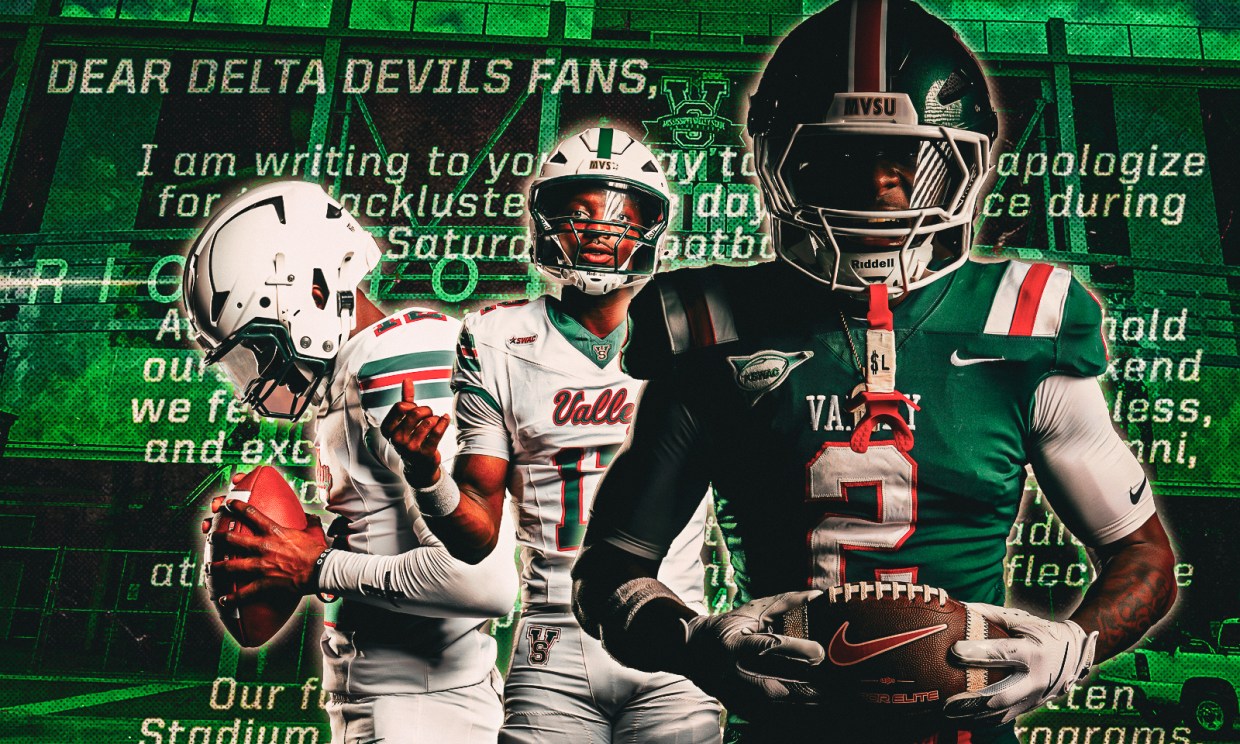
Mississippi Valley State University entered its home opener hoping to generate renewed energy around one of the most historic football programs in HBCU athletics.
By the following day, its athletic director was apologizing.
Dr. Alecia Shields-Gadson issued a public statement following what she described as a “lackluster game day experience” surrounding Mississippi Valley State’s 21-6 loss to Division II rival Delta State in Saturday’s Delta Classic at Rice-Totten Stadium.
“From operational delays to the overall stadium atmosphere, the experience did not reflect the true spirit of MVSU football,” Shields-Gadson wrote.
The athletic director said Mississippi Valley State was reviewing every aspect of its game-day operations and pledged that the Delta Devils’ next home game would provide an improved experience.
But the problems surrounding Saturday’s game extended beyond stadium operations.
For a program already fighting questions about resources, competitiveness and its place in modern Division I athletics, the night became a troubling picture of Mississippi Valley State’s larger challenge.
A home opener that went wrong
The Delta Classic was supposed to be one of Mississippi Valley State’s most attractive home dates.
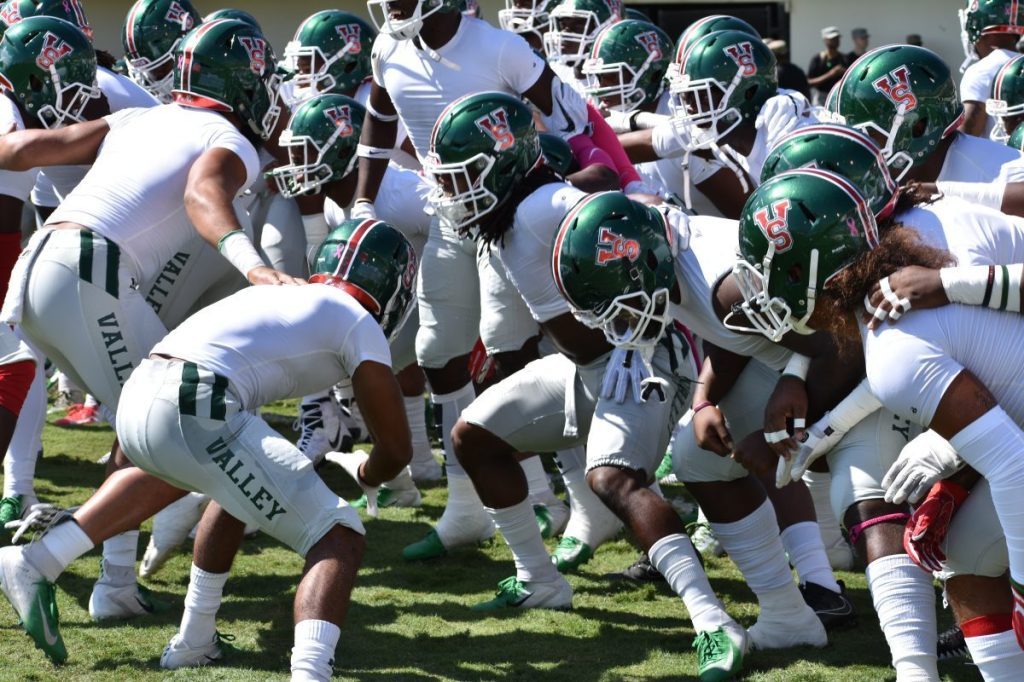
It featured two programs separated by approximately 35 miles, a regional rivalry and a “White Out” promotion designed to bring students, alumni and supporters back to Rice-Totten Stadium.
Instead, fans reported significant delays entering the stadium and an atmosphere disrupted by apparent technical and operational problems. The stadium’s public-address system, music and scoreboard operations reportedly experienced problems during the game.
That left Mississippi Valley State without many of the basic elements expected from a Division I game-day presentation.
The experience became even more frustrating once the game began.
Mississippi Valley State led 3-0 at halftime and remained within one point midway through the third quarter. But two blocked punts helped turn the game decisively in Delta State’s favor.
The Statesmen returned the first blocked punt for a touchdown and used the second to set up a short scoring drive. Delta State scored all 21 of its points in the second half, leaving Itta Bena with a 21-6 loss.
MVSU finished with only 180 yards of total offense and did not score a touchdown.
More than an ordinary Division II loss
Losing to a Division II opponent will always bring scrutiny for an FCS program. Saturday’s result carried additional weight because Delta State arrived with an 0-3 record.
That record, however, does not make Delta State an ordinary Division II opponent.
The Statesmen have won a national championship and nine Gulf South Conference titles. They have also consistently controlled the Delta Classic, improving to 7-1 against Mississippi Valley State with Saturday’s victory.
The persistent gap between the neighboring programs has helped revive an uncomfortable conversation around Valley athletics. Is Mississippi Valley State still positioned to compete sustainably at the Division I level?
That discussion did not begin with Saturday’s loss.
Mississippi Valley State has long operated with one of the smallest athletic budgets among football-playing Division I institutions. Its programs face resource disparities against opponents inside and outside the SWAC, while revenue-generating road games have become an important part of the department’s financial model.
The HBCU also announced a strategic realignment that included discontinuing women’s soccer, further illustrating the difficult financial decisions the department faces.
For critics, a home loss to a nearby Division II program—combined with an operationally troubled home opener—was evidence that the athletic model was being stretched beyond its resources.
Some fans and commentators have again suggested that Mississippi Valley State should consider moving to Division II, where it could compete against institutions with more comparable budgets and regional footprints.
But reclassification would not automatically solve the institutional and financial problems confronting the university. It would also mean walking away from a Division I identity deeply connected to the history of the SWAC and HBCU athletics.

The weight of the Valley name
That history is why the current conversation is so emotionally charged.
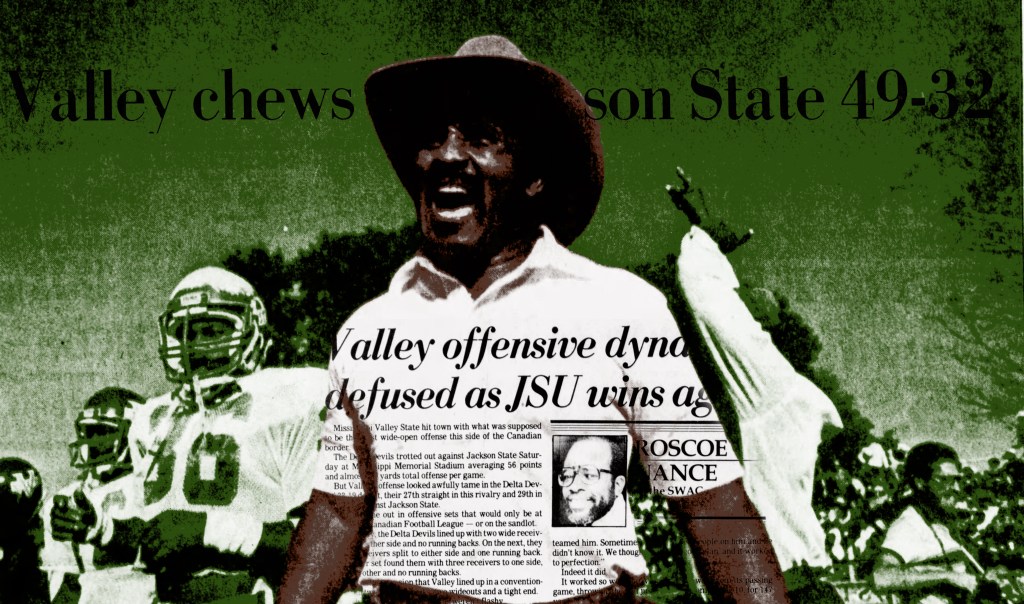
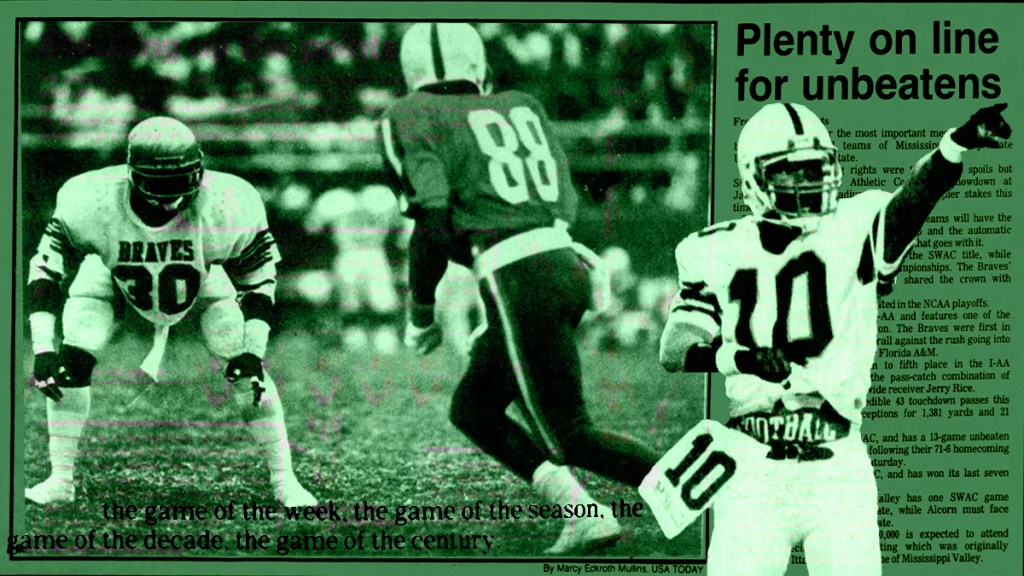
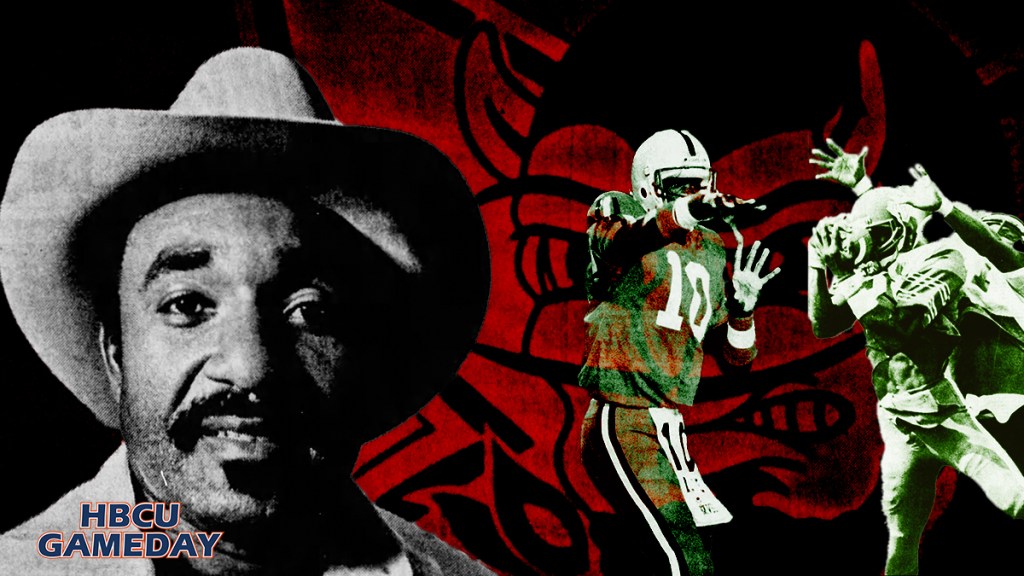
Mississippi Valley State is the program of Willie “Satellite” Totten, Jerry Rice and Deacon Jones. Its legendary 1984 team, coached by Archie “The Gunslinger” Cooley, produced one of the most explosive offenses in college football history.
The Delta Devils averaged 60.9 points per game that season, creating a legacy that remains central to Valley’s identity more than four decades later.
That legacy makes Mississippi Valley State University worth protecting. It also raises the standard by which the program’s present condition is judged.
Supporters who continue to buy tickets, donate, and defend the university are not simply asking Valley to win every game. They are asking for evidence that the institution has a sustainable plan for its athletic future. That attending a home game will deliver the baseline experience expected at the Division I level.
Shields-Gadson’s public apology was an acknowledgment that Mississippi Valley State did not meet that standard Saturday.
“We are committed to getting this right,” she wrote.
Where does Mississippi Valley State go from here?
The next step cannot be another celebration of Valley’s past without an honest assessment of its present.
Mississippi Valley State must determine what it can realistically fund, what kind of experience it can consistently provide, and what level of competition gives its student-athletes the best opportunity to succeed.
That does not necessarily mean dropping to Division II. It also does not mean the university should escape scrutiny simply because its financial obstacles are real and longstanding.
Mississippi Valley State University deserves context. Its students, alumni and supporters also deserve accountability.
Saturday’s apology addressed one disappointing night at Rice-Totten Stadium. The questions surrounding Valley now reach much further.
The Delta Devils remain one of the most recognizable names in HBCU football history.
The challenge is determining what that name can—and should—represent going forward.
Not too fast. MVSU should not make a rush decision based on the Whim of a lost to a Division II School. They have a long history of competing on a high level, from Rice to the Gun Slinger. Mississippi has a rich selection of Athletes to pull from, especially in Football.They need to focus on their Recruiting process, Athletically speaking. Once you leave Div l to drop to Div II, it will be extremely difficult to return back to D I status again, and an extremely expensive and difficult process to do so. Stay where you’re at MVSU.
Stay the course MVSU and put pressure on your do nothing lawmakers to fund MVSU. They are state supported school operating like a NAIA private Baptist/AME/Pentecostal/Methodist College. Ask for the same as MSU or Ole Miss and go to court if necessary!!