
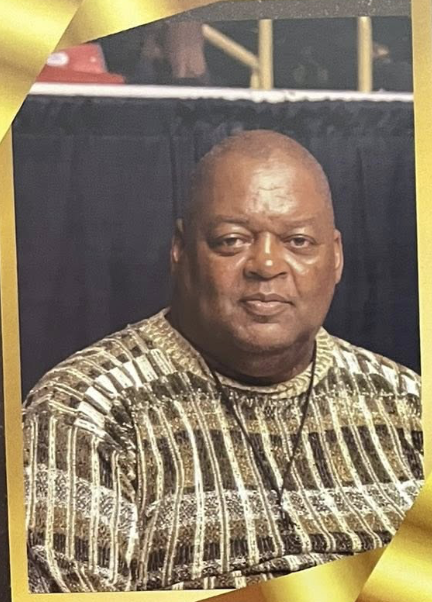
HBCU historian and WSSU alumnus Fred Whitted never sought the spotlight. Yet for decades, he stood behind the scenes making sure the stats and stories of Black college sports were never lost.
When news broke in October 2025 that Whitted had passed away, the loss rippled across the HBCU sports world. For those who work around the Central Intercollegiate Athletic Association and especially at Winston-Salem State University, it felt personal.
For me, it certainly did.
I first became aware of Fred Whitted years ago through the documentary Black Magic, which chronicled the legacy of Black college basketball. But my real interactions with him came later, after launching HBCU Gameday. Looking back, it’s possible we shared the same press box during my days as a student at Winston-Salem State. If we did, I didn’t realize then that the quiet man documenting history nearby would eventually become someone whose work I deeply admired.
Keeper of HBCU History
Whitted was many things — a historian, a researcher, a writer — but above all, he was a steward of HBCU history.
He wasn’t interested in building a social media following or becoming a media personality. Even as platforms like Twitter and Instagram transformed the sports media landscape, Whitted remained focused on the work itself. His goal was simple: make sure the information existed.
So much of HBCU sports history is scattered or hidden. Records are incomplete. Media guides disappear. Staff turnover leads to files being lost or forgotten. For decades, the historical record of Black college athletics has been fragmented.
Fred Whitted spent his life filling those gaps.
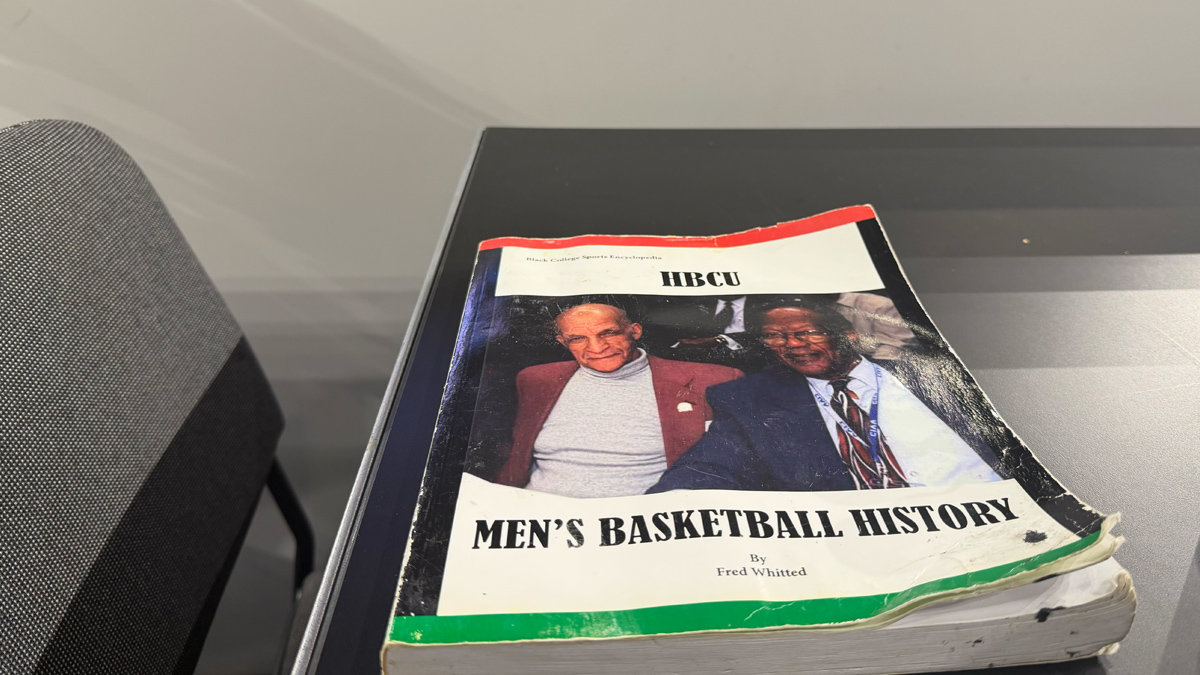
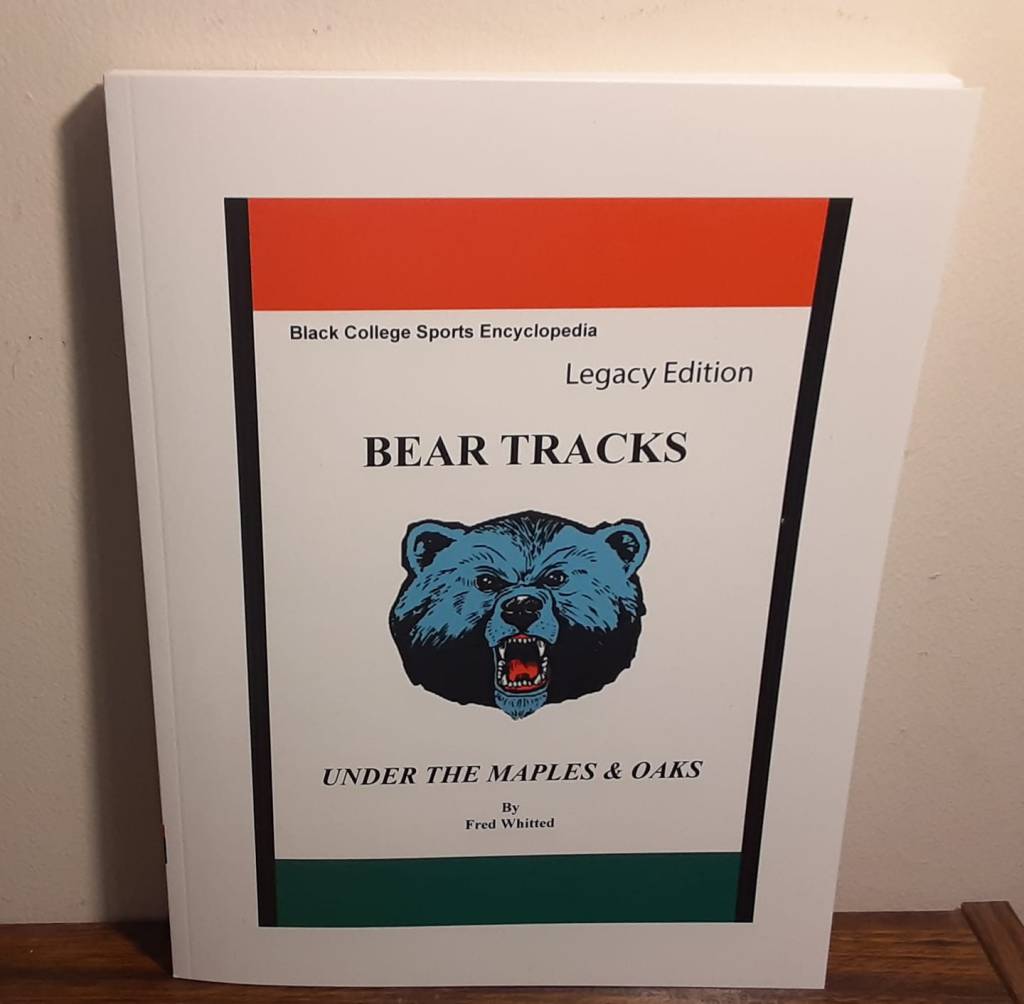
He authored multiple books chronicling HBCU sports. Football, men’s and women’s basketball and individual school histories. He compiled records and stories that might otherwise have disappeared. Those volumes now serve as foundational references for anyone attempting to tell the story of Black college sports.

The CIAA Connection
Over time, our paths crossed frequently at CIAA events. The CIAA Tournament was one of those places where we inevitably found each other. He would come to Winston-Salem for games, and whenever I traveled to Fayetteville for a Winston-Salem State matchup, he was there.
And when we were together, we talked. We joked and shook our heads while also engaging in playful banter with other CIAA alumni.
Both of us were proud Rams and loved history. And both of us loved talking a little junk in the press row while documenting the action around us.
Whitted had a dry sense of humor and a heart of gold. Our conversations often drifted toward Winston-Salem State legends like Clarence “Big House” Gaines, whose influence still looms over the program.
In many ways, Fred Whitted was a tether to the past for people like me working in the present.
A Sports Information Director’s resource
That same impact extended across the CIAA’s sports information community.
Trevin Goodwin, now the sports information director at Claflin University, says Whitted helped shape how he approached his work.
“The way that he did everything became motivational and inspirational for how I approached my job,” Goodwin said. “He made me realize how important the history is and how important it still is today.”
Goodwin said Whitted’s encyclopedic knowledge of Winston-Salem State athletics made him an invaluable resource when he was SID. When the school began working to identify the top women’s basketball players in program history, Whitted quickly stepped in.
“He produced a top 10 list in less than a day,” Goodwin recalled. “Something that would have taken weeks for most people. He had already been keeping track of those records on his own.”
Driven by passion
Adrian Ferguson, assistant athletic director for media relations at Fayetteville State University, shared a similar perspective. Like Goodwin, Ferguson first encountered him while working at WSSU.
A CIAA veteran with nearly 30 years in sports information, Ferguson said Whitted’s ability to preserve and organize historical information was invaluable for programs with limited resources.
“Being at Livingstone, there were file cabinets and file cabinets of unorganized files,” Ferguson said, recalling his early career at Livingstone College. “But Fred was a collector and an organizer. When something was in question, he could get to it quickly with the answer.”
In small athletic departments where sports information directors often serve as one-person operations, that kind of knowledge was priceless.
“He was definitely a resource and a solution to a lot of issues and problems we had,” Ferguson said.
But Whitted’s work wasn’t driven by recognition.
“He didn’t do what he did for the money or the fame,” Ferguson said. “He did it because of his passion. Collecting the history — that was him.”
HBCU Gameday in the history books
One of my proudest personal moments came when Whitted published one of his HBCU basketball history books. Inside its pages were references to HBCU Gameday and even my own work.
Seeing my name in a history book — especially one dedicated to preserving HBCU sports — was surreal. It made me feel seen. It reminded me that the work we do matters.
And that’s what Fred Whitted understood better than most.
He knew that HBCUs deserved to be seen and recorded. More than stats and words, he made sure that people were seen.
The last time I saw him was during CIAA festivities in 2025. We laughed, talked junk and caught up, just like always. Before leaving, he handed me a copy of his book on HBCU women’s basketball — a more than 200-page deep dive into the sport’s history dating back to the 1920s.
It’s one of my prized possessions.
He watched history made from a new seat
When Winston-Salem State captured its first CIAA women’s basketball championship this year, I couldn’t help but think about him. Fred Whitted would have loved it. It was history, and documenting history was what he did best.
He was also inducted into the CIAA Hall of Fame. It was an honor he definitely deserved, even if it was late.
Now that he’s gone, the responsibility of preserving that history falls to the next generation — researchers, journalists and historians who understand the importance of telling these stories correctly.
Technology has made information easier to access, but accuracy still requires dedication. Because much of our history is still locked in words of dusty old news papers and unlabeled photos. It requires people willing to dig through archives, track down records and verify the past.
People like Fred Whitted, because there won’t be another one. His shoes may never truly be filled. But the work he began must continue.
Because HBCU history deserves to be remembered. And so does Fred Whitted.