
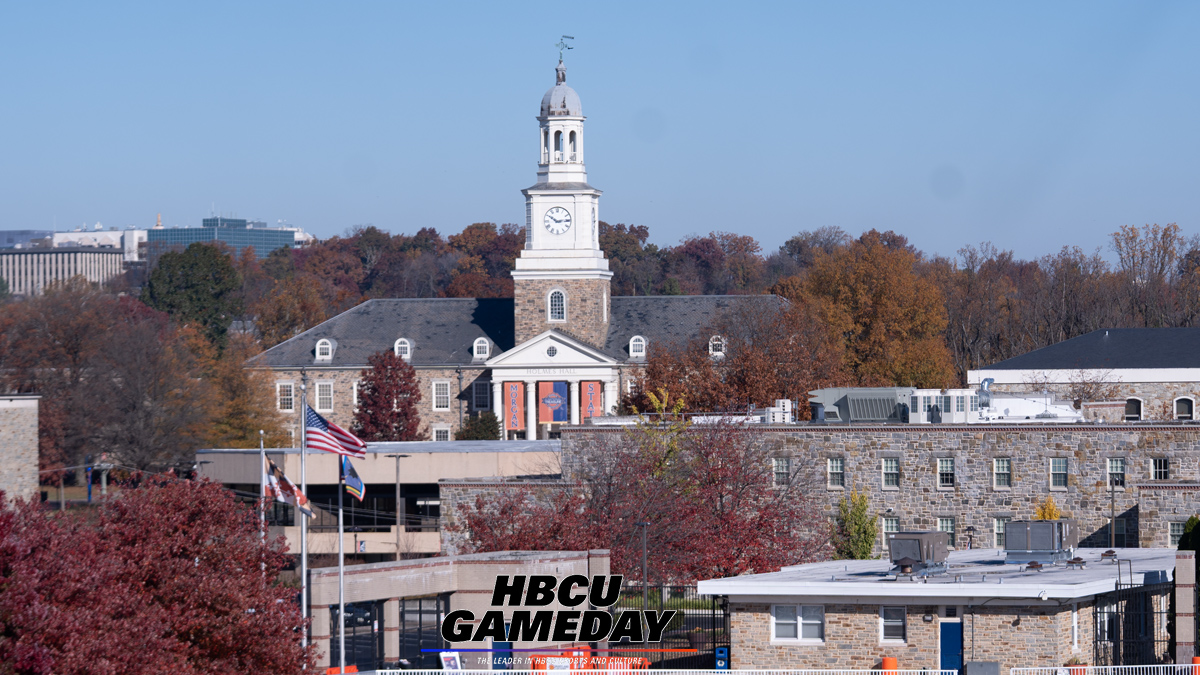
HBCU Homecoming has long been celebrated for culture, tradition, and football—but at Morgan State University, it is also proving to be big business. According to a recent economic impact study, Morgan State Homecoming generated nearly $19 million for the City of Baltimore, reinforcing how HBCUs function as powerful economic engines for their communities.
The study, commissioned by Morgan State University and conducted by Econsult Solutions, Inc., found that Homecoming Week activities produced more than $22 million in regional economic output and nearly $23 million statewide across Maryland. Visitor spending, job creation, and tax revenue all surged during one of the university’s most visible athletic and cultural weekends of the year.
For HBCUs nationwide, Morgan State’s numbers provide tangible proof of what fans and alumni already know: when HBCUs activate their traditions, cities benefit.
The numbers behind Morgan State’s impact
Morgan State Homecoming drew tens of thousands of alumni, students, and visitors to Baltimore. According to the study, attendees spent heavily on hotels, restaurants, transportation, retail, and entertainment, driving more than $15 million in direct visitor spending.
That influx supported close to 100 jobs within the city and more than 115 jobs statewide, generating nearly $7 million in employee compensation. The activity also resulted in more than $600,000 in state tax revenue, underscoring how major HBCU events contribute not only culturally, but fiscally.
Importantly, the analysis was conducted by Econsult Solutions, Inc., a third-party economic consulting firm that regularly evaluates large-scale university and municipal events. That independent lens adds credibility to the findings and strengthens the broader case for HBCU investment.
Why Homecoming is an economic engine
At many HBCUs, athletics—particularly football—serve as the front door. Homecoming weekends combine games, marching bands, alumni reunions, concerts, and community events into a multi-day tourism surge.
Morgan State’s experience mirrors what other major HBCUs have seen. GHOE (Greatest Homecoming on Earth) at North Carolina A&T State University regularly brings tens of thousands of visitors to Greensboro, overwhelming hotels and filling downtown businesses. Meanwhile, Homecoming weekends at Howard University, Jackson State University and Southern University have become cornerstone events for local economies across the South.
While every campus is different, the pattern remains consistent: HBCU Homecoming is not a single game—it is a regional event.
What this means for HBCU athletics
Morgan State’s economic impact reinforces a growing argument within HBCU athletics: these programs generate value well beyond ticket sales and television exposure. Conferences such as the MEAC, CIAA, and SWAC benefit when schools can quantify their broader footprint, especially when negotiating partnerships, sponsorships, and city support.
In an era where college athletics increasingly revolves around return on investment, HBCUs often undersell their worth. Studies like Morgan State’s provide data-driven leverage—proof that investing in facilities, public safety, marketing, and fan engagement pays dividends for surrounding communities.
For cities, the takeaway is equally clear. Supporting HBCU events is not a subsidy; it is an economic strategy.
The bigger picture for HBCUs
Morgan State’s Homecoming numbers should encourage more HBCUs to commission and publicize similar studies. When placed alongside events like GHOE and other major Homecomings, the narrative becomes harder to ignore: HBCUs are cultural anchors and economic drivers, capable of producing impact on par with far larger institutions.
As HBCUs continue to push for greater visibility and respect within the college sports landscape, data matters. Morgan State University has now provided a blueprint—one that connects tradition, athletics, and economic reality in a way that benefits both campus and city.
And for HBCUs across the country, that blueprint may be just as valuable as the celebration itself.