
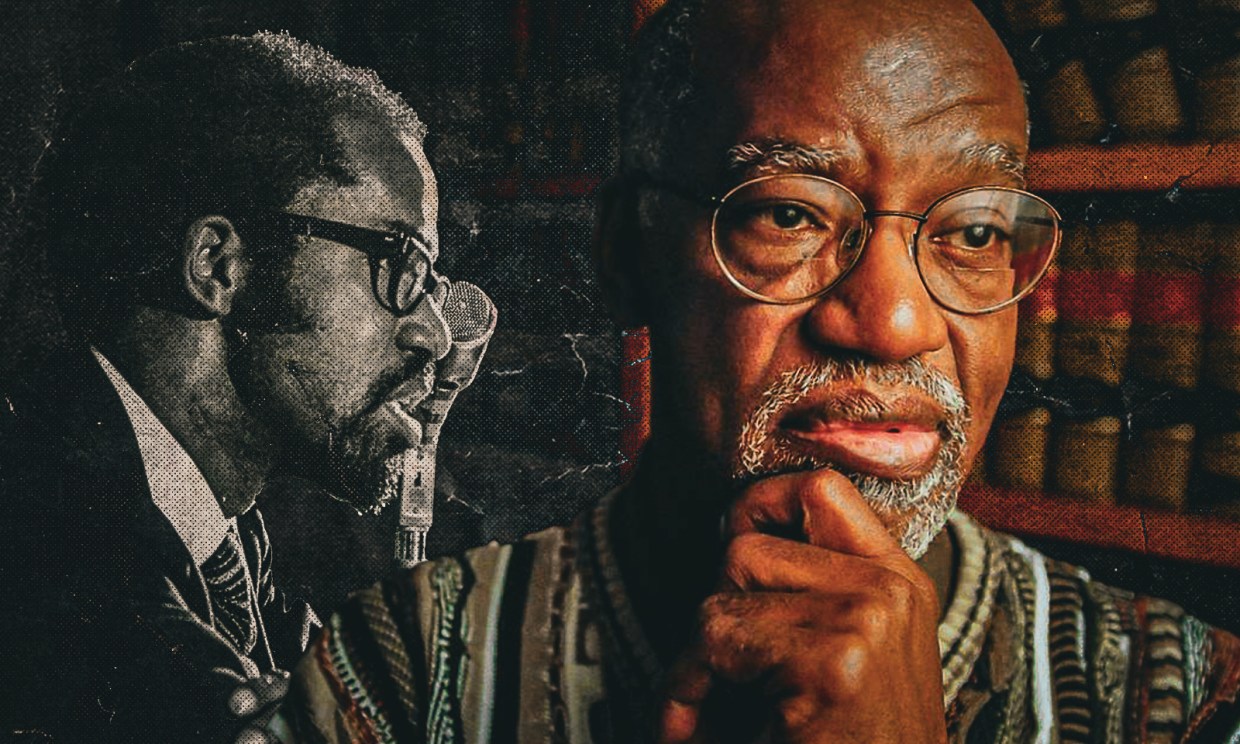
CHARLOTTE, N.C. — James Ferguson II, a trailblazing civil rights attorney and proud Historically Black College and University (HBCU) graduate, has died at 82. His legal victories reshaped education and justice in North Carolina and beyond.
Born in 1942 in segregated Asheville, North Carolina, Ferguson began his journey toward justice as a student activist. He helped desegregate public spaces such as lunch counters and libraries through peaceful protest.
HBCU Education and Legal Foundation
After graduating from North Carolina Central University, an HBCU in Durham, NC, he earned his law degree from Columbia University. He returned to North Carolina and opened his first law office in 1964. Just three years later, he co-founded the state’s first racially integrated law firm with Julius Chambers and Adam Stein.
Landmark Supreme Court Case: Swann v. Charlotte-Mecklenburg
In 1971, Ferguson co-argued the landmark Swann v. Charlotte-Mecklenburg Board of Education case before the U.S. Supreme Court. The court’s ruling allowed school busing as a tool for desegregation, setting a nationwide precedent. During the trial, Ferguson’s law office was set on fire by an arsonist, but he remained undeterred.
“You look at a situation, you see what needs to be done, and then you do it,” Ferguson said in a later interview. “You never give a lot of thought to the risk.”
Defender of Civil Rights and the Wrongfully Convicted
Throughout the 1970s and beyond, Ferguson took on many of the state’s most significant civil rights cases. He represented the Wilmington 10, a group of activists falsely convicted of arson, and helped secure their pardons decades later. He also defended the Charlotte 3 and Darryl Hunt, a Black man wrongly convicted of murder and later exonerated through DNA evidence.
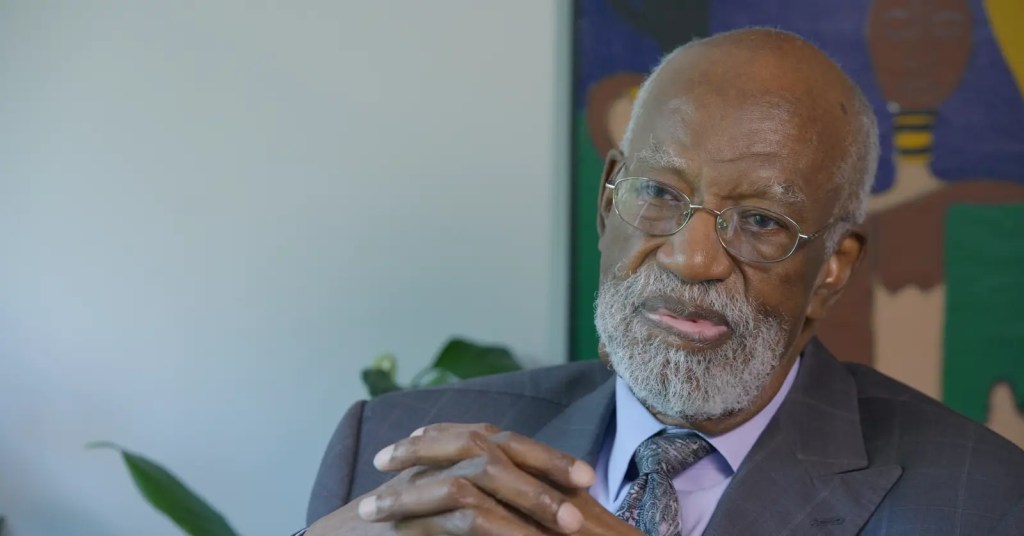
International Civil Rights Work and Teaching Legacy
James Ferguson II’s commitment to justice reached beyond the U.S. In the 1980s, he traveled to South Africa to train Black lawyers during apartheid.
His influence extended into the classroom. Ferguson lectured at Harvard Law School and held appointments at the University of Pennsylvania and Santa Clara University. He also served as an adjunct professor at North Carolina Central University School of Law, giving back to the HBCU community that helped shape him.
Awards and Professional Recognition
In 2017, the Mecklenburg County Bar awarded Ferguson its Ayscue Professionalism Award. The honor recognized his integrity, legal excellence, and lifelong commitment to equality.
“Fergie would take on the unpopular cause with a zeal that is almost unnatural,” said attorney Frank Emory, a former colleague. “I think of his courage in every sense of the word.”
Ferguson was also a past president of the North Carolina Association of Black Lawyers and the North Carolina Association of Trial Lawyers. He served more than a decade as general counsel for the American Civil Liberties Union. He was named to the Inner Circle of Advocates, an elite group of top U.S. plaintiff attorneys.
A Legacy Rooted in HBCU Values
“Practicing civil rights law is just hard,” said former colleague Mel Watt. “Fergie kept his commitment going despite the trials and tribulations.”
Through it all, Ferguson remained grounded in the values nurtured during his time at an HBCU.
“I just want to feel that I’ve done all I can to bring about equality for everybody,” he said in 2016. “That’s what life is about – trying to create the society we think we want.”